

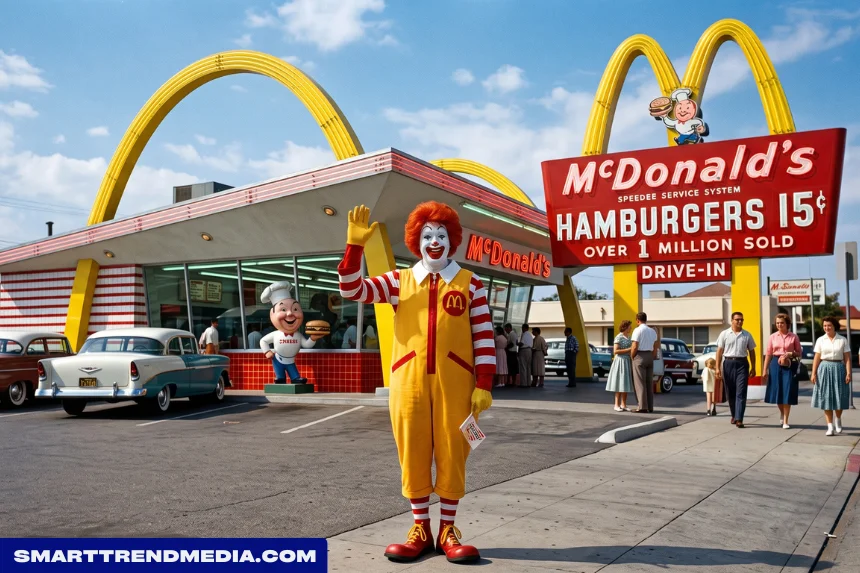
For decades, McDonald’s mascots have entertained children and helped shape one of the world’s most recognizable fast-food brands. From the cheerful Ronald McDonald to the mischievous Hamburglar and the lovable Grimace, these fictional characters transformed ordinary restaurant advertising into an imaginative world known as McDonaldland.
Although many classic mascots no longer appear in everyday advertising, they remain an important part of McDonald’s history. In recent years, renewed interest in vintage branding and nostalgic marketing has introduced these characters to a new generation while reminding longtime fans of memorable television commercials, Happy Meals, and collectible merchandise.
This guide explores the history of McDonald’s mascots, explains the origins of McDonaldland, and introduces the characters that helped define the company’s advertising for decades.
Quick Answer
Who are the McDonald’s mascots?
McDonald’s mascots are fictional advertising characters created to promote the McDonald’s brand. The most recognizable mascots include Ronald McDonald, Grimace, Hamburglar, Birdie the Early Bird, Mayor McCheese, Officer Big Mac, Captain Crook, the Fry Kids, Professor, and several other McDonaldland residents introduced throughout the brand’s history.
Quick Facts About McDonald’s Mascots
| Character | Role |
|---|---|
| Ronald McDonald | Primary brand mascot |
| Grimace | Friendly purple McDonaldland character |
| Hamburglar | Hamburger-loving prankster |
| Birdie the Early Bird | Breakfast mascot |
| Mayor McCheese | Mayor of McDonaldland |
| Officer Big Mac | McDonaldland police officer |
| Captain Crook | Pirate searching for Filet-O-Fish sandwiches |
| Fry Kids | Small creatures that loved French fries |
| Professor | Inventor and scientist of McDonaldland |
| CosMc | Alien-inspired McDonald’s character |
What Are McDonald’s Mascots?
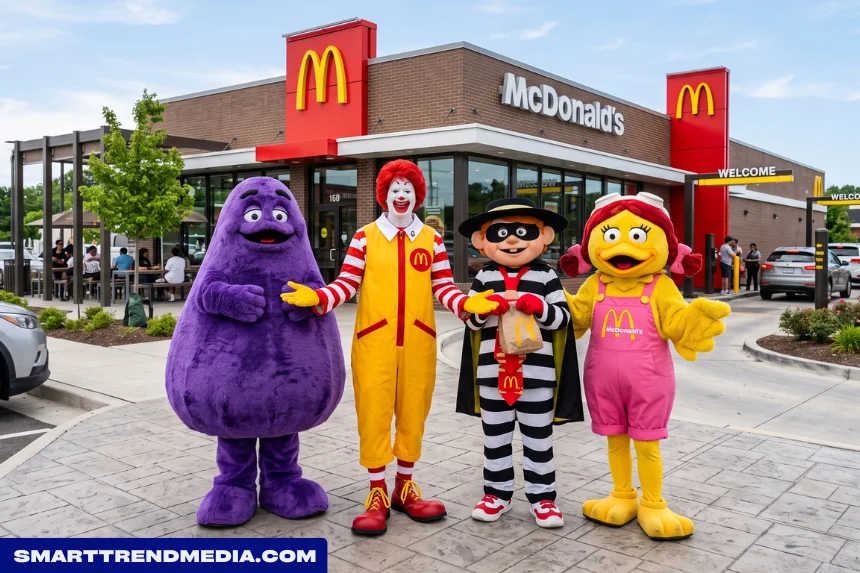
McDonald’s mascots are a collection of fictional characters created by McDonald’s to promote its restaurants, menu items, and family-friendly image.
Most of these characters appeared in the fictional setting known as McDonaldland, an imaginative world introduced during the early 1970s. Through television commercials, children’s books, restaurant promotions, and Happy Meal campaigns, the mascots encouraged families to associate McDonald’s with fun, friendship, and adventure.
While Ronald McDonald became the face of the company, many supporting characters developed their own personalities and storylines. Consequently, McDonaldland became one of the most recognizable advertising universes in fast-food history.
Why Were the Mascots Created?
During the late 1960s and early 1970s, television advertising aimed at families became increasingly competitive.
McDonald’s wanted characters that could entertain children while also building strong brand recognition. Instead of relying only on product advertisements, the company created memorable personalities who could appear across multiple marketing campaigns.
The strategy helped McDonald’s:
- Build brand recognition.
- Appeal to children and families.
- Promote Happy Meals.
- Introduce new menu items.
- Create memorable television commercials.
- Develop collectible merchandise.
- Strengthen customer loyalty.
As a result, the mascots became nearly as recognizable as the Golden Arches themselves.
The History of McDonaldland
McDonaldland debuted in 1971 as a fictional world designed specifically for McDonald’s advertising campaigns.
Inspired by colorful fantasy settings and children’s television programming, McDonaldland featured unique characters who lived together in a playful community filled with oversized food, imaginative buildings, and humorous adventures.
Each commercial highlighted different characters while reinforcing McDonald’s family-friendly identity.
The Early Years
When McDonaldland first appeared, Ronald McDonald served as the central figure guiding viewers through this imaginative world.
Around him lived numerous supporting characters, each representing different aspects of McDonald’s menu or personality.
Some characters acted as heroes, while others created humorous challenges that Ronald and his friends needed to solve. This storytelling approach helped children remember both the characters and the restaurant.
Growing Popularity
Throughout the 1970s and 1980s, McDonaldland expanded rapidly.
Television commercials introduced additional characters, and the mascots appeared in:
- Happy Meal boxes
- Children’s books
- Restaurant decorations
- Playground equipment
- Birthday party materials
- Toys
- Promotional merchandise
- Television specials
Because these characters appeared across so many different products, they became cultural icons for an entire generation.
Changes Over Time
During the 1990s and early 2000s, McDonald’s gradually shifted its advertising strategy.
Marketing campaigns began focusing more on food quality, sports partnerships, and broader family audiences. Consequently, many McDonaldland characters appeared less frequently, although Ronald McDonald continued representing the brand for many years.
Even after their retirement from regular advertising, the classic mascots remained popular among collectors and nostalgic fans.
Ronald McDonald: The Face of McDonald’s
No discussion of McDonald’s mascots would be complete without Ronald McDonald.
Since his introduction in the early 1960s, Ronald has served as the company’s most recognizable ambassador. His colorful outfit, bright red hair, oversized shoes, and cheerful personality quickly made him one of the most famous advertising mascots in the world.
Unlike many supporting characters, Ronald represented the entire McDonald’s brand rather than a specific menu item.
The Creation of Ronald McDonald
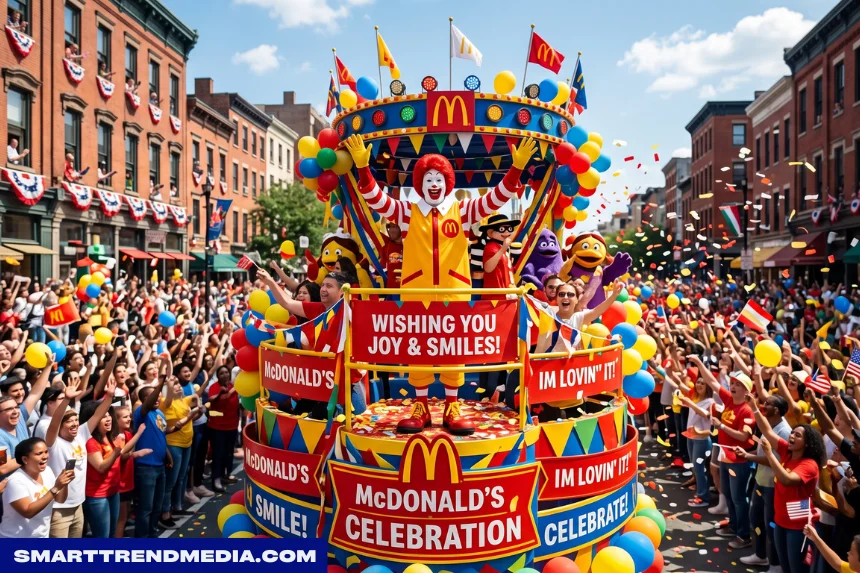
The first version of Ronald McDonald appeared in local television advertisements before the character evolved into the internationally recognized mascot familiar to millions of customers.
As McDonald’s expanded across the United States and internationally, Ronald’s appearance became more standardized. His costume, personality, and performances remained consistent, helping create a recognizable global identity for the company.
Professional performers portrayed Ronald McDonald at restaurants, community events, charitable activities, and promotional appearances for many years.
Ronald McDonald’s Personality
Ronald McDonald was portrayed as friendly, optimistic, energetic, and welcoming.
He encouraged children to use their imagination while promoting kindness, friendship, and fun. Rather than acting as a superhero, Ronald usually solved problems through teamwork, creativity, and positive thinking.
Those qualities helped establish him as a trusted figure in family advertising for several decades.
Ronald McDonald’s Role Beyond Advertising
Ronald McDonald’s influence extended beyond television commercials.
The character became closely associated with Ronald McDonald House Charities (RMHC), a nonprofit organization that supports families with seriously ill children by providing housing and services near hospitals.
Although the charity now places greater emphasis on its mission than on the mascot himself, Ronald McDonald helped introduce many people to the organization’s charitable work.
Ronald McDonald Today
In recent years, Ronald McDonald has appeared less frequently in mainstream advertising.
Changing marketing strategies and evolving consumer preferences encouraged McDonald’s to shift toward campaigns focused on food, digital engagement, celebrity partnerships, and customer experiences.
Nevertheless, Ronald remains one of the most recognizable mascots in advertising history. His image continues to appear in historical marketing materials, charitable initiatives, and occasional promotional campaigns, ensuring that his legacy remains closely connected to the McDonald’s brand.
As McDonaldland expanded over the years, Ronald was joined by a memorable cast of characters whose personalities helped make the advertising universe even more entertaining. Those mascots—including Grimace, Hamburglar, Birdie the Early Bird, Mayor McCheese, and many others—became beloved figures who continue to capture the imagination of fans today.
Complete List of McDonald’s Mascots
Over the years, McDonald’s introduced a wide range of characters to make McDonaldland feel like a living, entertaining world. While some mascots became global icons, others appeared only during specific campaigns or represented particular menu items.
Below are the most famous McDonald’s mascots and the roles they played.
Grimace
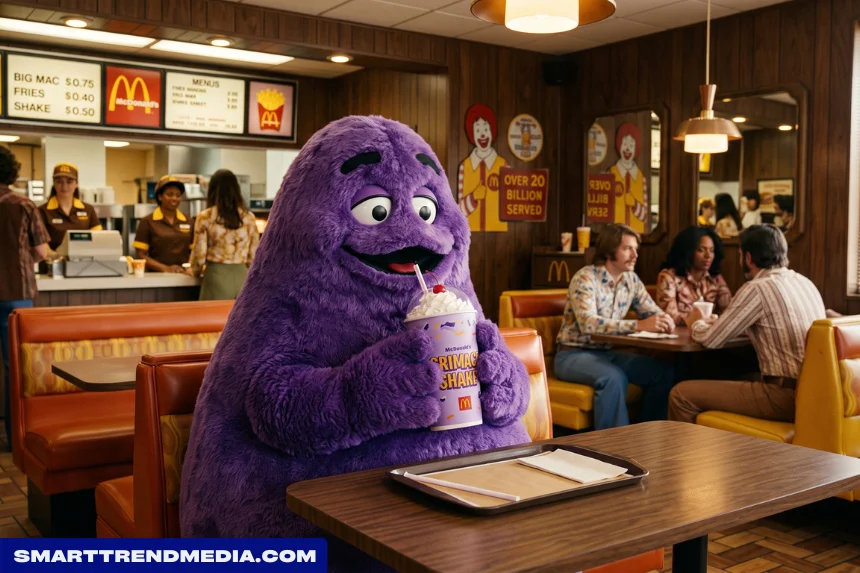
Grimace is one of the most recognizable McDonald’s mascots after Ronald McDonald.
Today, fans know him as a cheerful purple character who loves spending time with friends. However, his original version looked quite different. When Grimace debuted in the early 1970s, he was called Evil Grimace and was portrayed as a mischievous character who stole milkshakes.
McDonald’s later redesigned him into the friendly, lovable character that audiences recognize today.
Personality
Grimace is known for being:
- Kind
- Loyal
- Gentle
- Optimistic
- Sometimes clumsy
- Always friendly
His playful personality helped him become one of McDonald’s most enduring characters.
Why Grimace Became Popular
Unlike many advertising mascots, Grimace appealed to both children and adults.
His simple design, humorous behavior, and positive attitude made him memorable for generations. More recently, social media trends and limited-time promotions have introduced Grimace to younger audiences, giving the character renewed popularity.
Hamburglar
Few fast-food mascots are as recognizable as the Hamburglar.
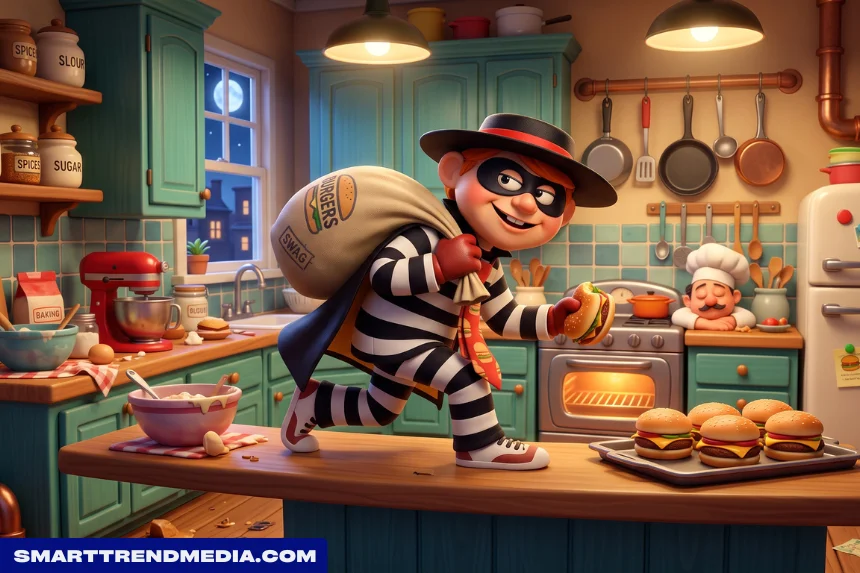
Introduced as the hamburger-loving prankster of McDonaldland, Hamburglar constantly searched for opportunities to steal hamburgers. Although he often caused trouble, his actions were portrayed humorously rather than maliciously.
His trademark outfit included:
- Black cape
- Black-and-white striped clothing
- Red gloves
- Wide-brimmed hat
- Mask
- Red tie
He also became famous for saying “Robble, Robble!”
Character Role
Hamburglar served as McDonaldland’s lovable troublemaker.
Rather than acting as a dangerous villain, he usually created humorous situations that Ronald McDonald and his friends eventually resolved.
His playful behavior made him one of the franchise’s most memorable advertising characters.
Birdie the Early Bird
Birdie the Early Bird joined McDonaldland during the early 1980s to promote McDonald’s expanding breakfast menu.
As the first female McDonaldland mascot, Birdie encouraged customers to enjoy breakfast while highlighting morning menu items.
Personality
Birdie was portrayed as:
- Energetic
- Cheerful
- Helpful
- Adventurous
- Optimistic
Although she occasionally became distracted, Birdie always maintained a positive attitude.
Advertising Purpose
Birdie helped introduce products associated with McDonald’s breakfast offerings.
Her character strengthened the company’s efforts to compete in the growing breakfast market while adding greater diversity to the McDonaldland cast.
Mayor McCheese
Mayor McCheese served as the friendly leader of McDonaldland.
His appearance featured a large cheeseburger for a head, along with a formal suit, sash, and mayoral hat.
Despite his unusual appearance, Mayor McCheese governed the fictional community with fairness and enthusiasm.
Leadership Role
As mayor, he often:
- Welcomed visitors
- Organized celebrations
- Supported Ronald McDonald
- Helped solve community problems
His humorous design made him one of the most distinctive advertising characters of the 1970s.
Officer Big Mac
Officer Big Mac acted as McDonaldland’s police officer.
Instead of enforcing laws through punishment, he encouraged order while helping keep McDonaldland safe.
His oversized police helmet resembled a Big Mac sandwich, reinforcing the connection between the character and one of McDonald’s signature menu items.
Character Traits
Officer Big Mac was:
- Honest
- Dependable
- Friendly
- Protective
- Responsible
Although he occasionally struggled to catch the Hamburglar, his efforts contributed to many humorous storylines.
Captain Crook
Captain Crook introduced a pirate theme to McDonaldland.
Unlike Hamburglar, Captain Crook focused primarily on Filet-O-Fish sandwiches rather than hamburgers.
He sailed imaginary seas in search of seafood while interacting with Ronald and the other characters.
Personality
Captain Crook was:
- Adventurous
- Mischievous
- Curious
- Comical
Although he occasionally behaved like a pirate, his adventures remained lighthearted and suitable for children.
Fry Kids
The Fry Kids replaced an earlier group of characters known as the Gobblins.
These colorful, fuzzy creatures loved McDonald’s French fries and frequently appeared alongside Ronald McDonald in commercials and Happy Meal promotions.
Appearance
The Fry Kids featured:
- Bright colors
- Furry bodies
- Small size
- Pom-pom-like hair
- Playful expressions
Because they rarely spoke, their actions and visual humor became the focus of many advertisements.
Professor
Professor represented McDonaldland’s inventor and scientist.
He developed unusual machines, imaginative gadgets, and creative solutions that often helped Ronald McDonald and the other residents.
His inventions occasionally malfunctioned, creating humorous situations before ultimately solving the problem.
Contribution to McDonaldland
Professor encouraged curiosity, creativity, and problem-solving.
His character introduced educational themes while keeping the stories entertaining for younger audiences.
CosMc
CosMc first appeared during the late years of the original McDonaldland campaigns.
Unlike the classic mascots, CosMc was an alien from outer space who frequently visited Earth in search of McDonald’s food.
Although the character disappeared from advertising for many years, McDonald’s later revived the CosMc name for a beverage-focused restaurant concept, introducing the mascot to a new generation.
Unique Characteristics
CosMc became known for:
- Space-themed adventures
- Curiosity about Earth
- Bright orange appearance
- Energetic personality
His return demonstrates how McDonald’s occasionally revisits classic branding ideas while adapting them for modern audiences.
Other McDonald’s Promotional Characters
In addition to the major McDonaldland residents, McDonald’s introduced numerous promotional mascots throughout its history.
Some appeared only during limited campaigns, while others represented seasonal promotions or specific products.
Examples include:
- The Happy Meal Box characters
- Seasonal holiday mascots
- Sports-themed promotional characters
- Movie partnership characters
- Olympic campaign mascots
- Limited-edition collectible figures
Although these characters never reached the popularity of Ronald McDonald or Grimace, they contributed to the brand’s evolving marketing strategy.
How the Characters Worked Together
One reason McDonaldland remained successful for decades was the way each mascot filled a unique role.
Instead of creating unrelated advertisements, McDonald’s built an interconnected world where every character contributed something different.
For example:
- Ronald McDonald acted as the hero and leader.
- Grimace provided friendship and humor.
- Hamburglar created playful conflict.
- Birdie promoted breakfast while encouraging optimism.
- Mayor McCheese represented community leadership.
- Officer Big Mac maintained order.
- Captain Crook added adventurous storylines.
- Professor solved problems through creativity.
- Fry Kids contributed visual comedy.
Together, these personalities transformed simple restaurant advertisements into memorable stories that entertained millions of families.
By giving each mascot a distinctive identity, McDonald’s created one of the most recognizable fictional advertising worlds ever developed, and many of these characters continue to hold a special place in popular culture decades after their introduction.
Heroes and Villains of McDonaldland
One reason McDonaldland became so memorable was its mix of heroic and mischievous characters. Instead of relying on a single mascot, McDonald’s created a fictional world where each character had a distinct personality and role.
Heroes of McDonaldland
The heroes typically helped others, solved problems, and welcomed visitors to McDonaldland.
The primary heroes included:
- Ronald McDonald – The optimistic leader and central mascot.
- Grimace – Ronald’s loyal friend with a cheerful personality.
- Birdie the Early Bird – The energetic breakfast ambassador.
- Mayor McCheese – The friendly mayor who represented the community.
- Officer Big Mac – The dependable police officer.
- Professor – The inventor who used creativity to solve challenges.
Together, these characters encouraged friendship, teamwork, and kindness.
Villains and Mischievous Characters
Not every McDonaldland resident followed the rules. However, the “villains” were intentionally lighthearted so that younger audiences would find them funny rather than frightening.
The best-known troublemakers included:
- Hamburglar – Always trying to steal hamburgers while shouting, “Robble, Robble!”
- Captain Crook – A playful pirate searching for Filet-O-Fish sandwiches.
- Early versions of Grimace – Originally introduced as “Evil Grimace” before becoming a friendly character.
Although these characters created conflict, their stories usually ended with humor instead of punishment.
Why Did McDonald’s Retire Many Mascots?
Many fans wonder why McDonald’s gradually reduced the use of its classic characters.
The decision resulted from several changes in advertising, consumer preferences, and brand strategy rather than a single event.
Changing Marketing Strategies
Beginning in the 1990s, McDonald’s shifted its marketing toward products, customer experiences, sports sponsorships, and celebrity partnerships.
Consequently, commercials focused less on fictional characters and more on menu items, convenience, and everyday dining experiences.
Evolving Consumer Preferences
Family entertainment also changed significantly over time.
Children increasingly turned to television networks, video games, streaming platforms, and digital media for entertainment. Therefore, traditional mascot-based advertising became less central to many marketing campaigns.
Brand Modernization
As McDonald’s expanded globally, the company adopted a cleaner and more consistent brand identity.
Although Ronald McDonald remained visible for many years, most supporting McDonaldland characters appeared less frequently because the company emphasized food quality, restaurant modernization, and digital ordering experiences.
Which McDonald’s Mascots Are Still Used Today?
While many classic mascots no longer appear regularly, several characters continue to have a presence in McDonald’s branding and popular culture.
Ronald McDonald
Ronald McDonald remains one of the company’s best-known symbols.
Although he appears less frequently in advertising than in previous decades, he continues to be associated with the brand’s history and with Ronald McDonald House Charities, which supports families with seriously ill children around the world.
Grimace
Grimace has experienced a remarkable revival in recent years.
Limited-time menu promotions, social media campaigns, and nostalgic marketing have reintroduced the friendly purple character to younger audiences. As a result, Grimace has become one of the most recognizable classic McDonald’s mascots once again.
CosMc
McDonald’s also revived the CosMc name for a beverage-focused concept, demonstrating how the company occasionally draws inspiration from its classic characters while adapting them for modern audiences.
Other Characters
Most remaining McDonaldland characters now appear primarily in:
- Vintage advertising collections
- Museum exhibits
- Licensed merchandise
- Special anniversary campaigns
- Collector memorabilia
- Fan communities
Although their appearances are less frequent, their popularity has never completely disappeared.
The Cultural Impact of McDonald’s Mascots
McDonald’s mascots influenced advertising far beyond the restaurant industry.
For many families, McDonaldland represented childhood memories filled with television commercials, birthday parties, Happy Meals, playground visits, and collectible toys.
Advertising Success
The McDonaldland campaign helped McDonald’s establish one of the most recognizable brand identities in the world.
By combining memorable characters with consistent storytelling, the company created emotional connections that extended well beyond its menu.
Collectibles and Merchandise
Many classic McDonald’s collectibles remain highly sought after.
Popular items include:
- Vintage toys
- Action figures
- Lunch boxes
- Happy Meal collectibles
- Promotional cups
- Restaurant signage
- Comic books
- Plush mascots
Collectors continue searching for these items because they represent an important era in advertising history.
Social Media Revival
Interest in McDonald’s mascots has grown again through social media.
Fans frequently share vintage commercials, artwork, collectible displays, and nostalgic memories featuring Ronald McDonald, Grimace, Hamburglar, and other McDonaldland characters.
This renewed enthusiasm demonstrates that the mascots continue to resonate with audiences decades after many of them left regular advertising.
Frequently Asked Questions
Who are the McDonald’s mascots?
The primary McDonald’s mascots include Ronald McDonald, Grimace, Hamburglar, Birdie the Early Bird, Mayor McCheese, Officer Big Mac, Captain Crook, the Fry Kids, Professor, and CosMc.
What is McDonaldland?
McDonaldland was a fictional world created for McDonald’s advertising campaigns. It featured colorful characters who promoted the brand through television commercials, books, toys, and restaurant promotions.
Is Ronald McDonald still the mascot?
Yes. Ronald McDonald remains an important part of McDonald’s history and continues to appear in selected charitable and promotional activities, although he is featured less frequently in mainstream advertising.
Why did McDonald’s retire many mascots?
McDonald’s gradually reduced the use of many mascots as its marketing strategy evolved. The company shifted toward product-focused advertising, digital campaigns, celebrity collaborations, and broader brand messaging.
Who is the most popular McDonald’s mascot?
Ronald McDonald is the company’s best-known mascot. However, Grimace and Hamburglar have also remained fan favorites for decades.
What happened to Grimace?
Grimace evolved from an early mischievous character into a friendly purple mascot. In recent years, he has returned through nostalgic promotions and limited-time marketing campaigns.
Is Hamburglar a villain?
Hamburglar is more of a playful prankster than a true villain. His humorous attempts to steal hamburgers made him one of McDonaldland’s most entertaining characters.
Which McDonald’s mascots are still popular today?
Ronald McDonald, Grimace, Hamburglar, and CosMc remain the most recognizable characters, while many other McDonaldland mascots continue to enjoy popularity among collectors and longtime fans.
Conclusion
The history of McDonald’s mascots reflects the evolution of one of the world’s most successful advertising campaigns. Beginning with Ronald McDonald and expanding into the imaginative world of McDonaldland, these characters helped transform restaurant marketing into memorable storytelling that appealed to generations of families.
Although many classic mascots eventually disappeared from regular advertising, their influence remains strong. Characters such as Grimace, Hamburglar, Birdie the Early Bird, Mayor McCheese, and Officer Big Mac continue to inspire nostalgia, collectibles, and online discussions. At the same time, Ronald McDonald remains one of the most recognizable brand mascots ever created.
Whether you remember these characters from childhood or are discovering them for the first time, the McDonaldland universe remains an important chapter in advertising history. Its colorful cast demonstrates how creative storytelling can build lasting connections between a brand and its audience.
Find out about The S-Classes That I Raised