

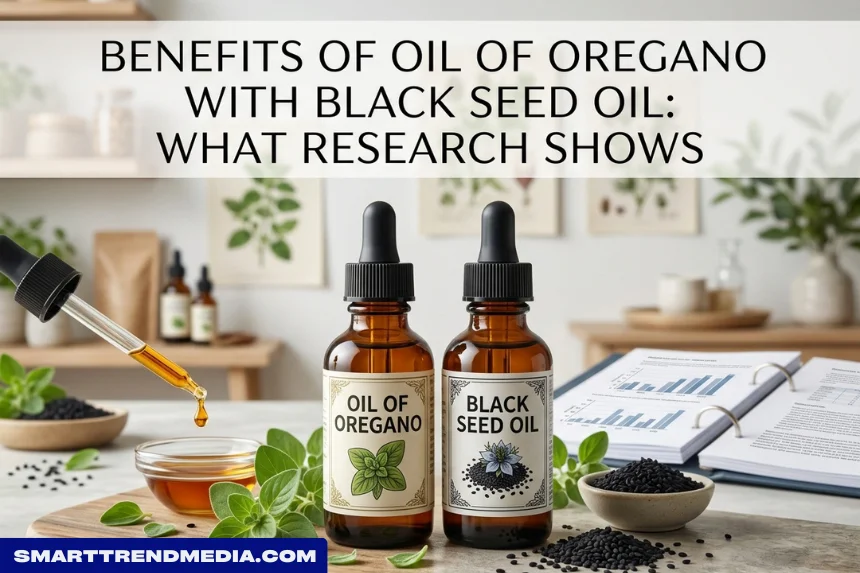
The potential benefits of oil of oregano with black seed oil include antioxidant support, a balanced inflammatory response, and possible improvements in certain metabolic markers. These effects may come from plant compounds such as carvacrol, thymol, and thymoquinone.
However, researchers have mostly studied the two ingredients separately. Black seed has more human clinical research, especially for blood sugar, cholesterol, and blood pressure. In contrast, much of the oregano-oil evidence comes from laboratory studies, animal research, and small human trials.
Therefore, taking both oils together should not be viewed as a proven treatment for an infection, diabetes, high cholesterol, or another medical condition. Moreover, direct evidence has not established that combining the oils makes either ingredient more effective.
Key Takeaways
- Oil of oregano contains carvacrol and thymol, while black seed oil contains thymoquinone.
- Both ingredients have antioxidant and anti-inflammatory properties in experimental research.
- Human research on black seed is more extensive than research on oregano-oil supplements.
- Black seed may modestly affect blood sugar, cholesterol, and blood pressure in some people.
- Direct clinical evidence for the combined supplement remains limited.
- Concentrated oregano essential oil is not the same as culinary oregano.
- These supplements may interact with medications and are not suitable for everyone.
What Are Oil of Oregano and Black Seed Oil?
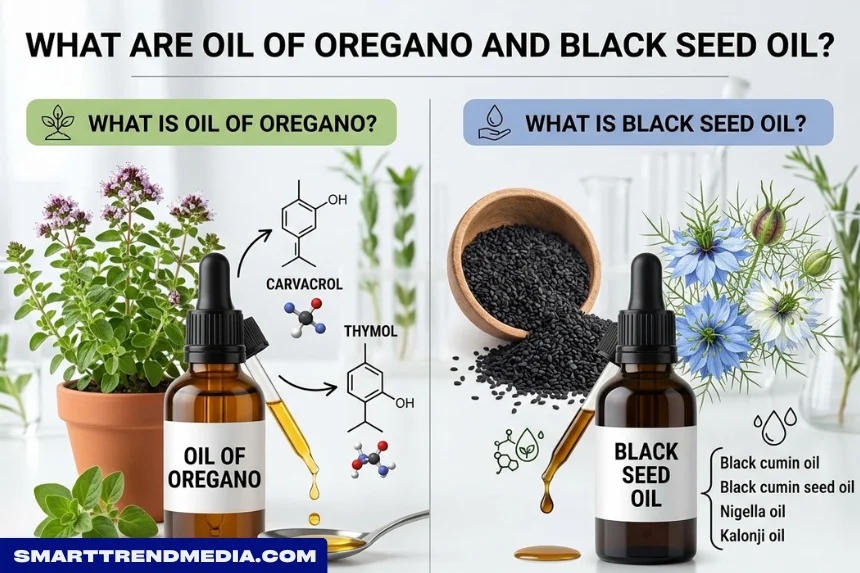
Oil of oregano and black seed oil come from different plants. They also contain different active compounds. Still, manufacturers often combine them because their proposed wellness uses overlap.
For example, both ingredients have been studied for their antioxidant and inflammatory effects. Oregano compounds also show antimicrobial activity in laboratory settings. Meanwhile, black seed has been tested in human trials involving blood sugar, cholesterol, blood pressure, and inflammatory markers.
Even so, shared properties do not prove that the oils create a stronger effect when combined.
What Is Oil of Oregano?
Oil of oregano comes from plants in the Origanum genus, including Origanum vulgare. It is more concentrated than the dried oregano used to season food.
Two of its most studied compounds are:
The amounts of these compounds can vary considerably. Plant species, growing conditions, extraction methods, and manufacturing processes can all change a product’s chemical composition.
Laboratory studies show that oregano essential oils and their compounds can have antioxidant, antibacterial, and antifungal activity. However, these findings do not prove that swallowing an oregano supplement can treat an infection or prevent disease in humans.
In addition, oregano supplements come in several forms. These may include softgels, capsules, liquid extracts, and diluted essential-oil preparations. As a result, two products with similar names may provide very different concentrations.
What Is Black Seed Oil?
Black seed oil comes from the seeds of Nigella sativa. People may also call it:
- Black cumin oil
- Black cumin seed oil
- Nigella oil
- Kalonji oil
However, black seed is not the same plant as common cumin.
The most widely studied active compound in black seed oil is thymoquinone. Researchers have examined this compound for its antioxidant, inflammatory, metabolic, and immune-related activity.
Unlike oregano oil, black seed has been included in many human clinical trials. Recent reviews suggest that Nigella sativa supplementation may produce modest changes in blood sugar, cholesterol, blood pressure, body weight, and some inflammatory measurements. Nevertheless, the results vary among studies, and the certainty of the evidence remains low for several outcomes.
Moreover, researchers have used different forms of black seed. Some studies tested whole-seed powder, while others used pressed oil or standardized extracts. Consequently, findings from one formulation may not apply to every black seed oil sold in stores.
Oil of Oregano and Black Seed Oil Comparison
| Feature | Oil of oregano | Black seed oil |
|---|---|---|
| Botanical source | Commonly Origanum vulgare or a related oregano species | Nigella sativa |
| Main studied compounds | Carvacrol and thymol | Thymoquinone |
| Common forms | Capsules, softgels, extracts and concentrated essential oil | Liquid oil, capsules, seed powder and extracts |
| Major research focus | Antimicrobial, antioxidant and inflammatory activity | Blood sugar, cholesterol, blood pressure and inflammatory markers |
| Human evidence | Limited for many proposed uses | More extensive, although results vary |
| Common concern | Irritation from highly concentrated products | Medication interactions and possible effects on blood sugar or blood pressure |
| Proven combined benefit | Not established | Not established |
Oil of Oregano Versus Oregano Essential Oil
Consumers often use the terms “oil of oregano” and “oregano essential oil” interchangeably. However, the products may not be identical.
Oil of oregano supplements
An oral oil-of-oregano supplement may contain oregano extract or a carefully diluted amount of essential oil. Manufacturers often combine the concentrated oregano ingredient with a carrier oil, such as olive oil.
The label should clearly state that the product is intended for oral use. It should also provide a serving size and usage instructions.
Oregano essential oil
Oregano essential oil is a highly concentrated volatile oil produced through distillation. Some essential oils are intended only for:
- Aromatherapy
- External use
- Cosmetic formulations
- Household applications
Therefore, a person should not swallow a product simply because the bottle contains the word “oregano.” A bottle intended for aromatherapy may not meet the same formulation requirements as an oral supplement.
Concentrated oregano oil can cause abdominal discomfort, heartburn, nausea, vomiting, diarrhea, constipation, headache, or dizziness. Rarely, it may also trigger a hypersensitivity reaction.
Similarly, undiluted essential oil may irritate the lips, mouth, digestive tract, or skin. For that reason, consumers should use only products specifically labeled for their intended route.
Culinary oregano is different. The small amounts used in meals do not provide the same exposure as a concentrated extract or essential oil.
What Are the Potential Benefits of Oil of Oregano With Black Seed Oil?
The two oils contain several biologically active compounds. As a result, researchers have studied them across multiple areas of health.
Still, most research does not test the exact combination. The following possible benefits come largely from studies of oregano compounds or black seed products used separately.
1. They Provide Antioxidant Plant Compounds
Both oils contain compounds that can interact with oxidative processes.
Oxidative stress occurs when reactive molecules and the body’s protective systems become unbalanced. Researchers often measure this process through laboratory tests or biomarkers. However, a change in an antioxidant marker does not automatically mean that a supplement prevents disease.
Carvacrol and thymol contribute to the antioxidant activity of oregano essential oil. Laboratory studies also show that an oregano oil’s chemical composition can influence its antioxidant strength. Therefore, products with different concentrations may not produce identical results.
Black seed oil contains thymoquinone and other plant compounds. Some human trials have measured changes in total antioxidant capacity and markers of oxidative stress after Nigella sativa supplementation. Yet results have not remained consistent across every study.
A meta-analysis examining black seed’s effects on glucose, cholesterol, inflammation, and antioxidant markers found improvements in several metabolic measurements. However, changes in some inflammatory and antioxidant markers were not statistically significant.
Therefore, the most accurate conclusion is that both oils contain antioxidant compounds. Researchers have not shown that combining them guarantees greater protection from oxidative damage.
2. They May Support a Balanced Inflammatory Response
Inflammation helps the body respond to injury and infection. However, long-lasting inflammation can accompany many chronic health conditions.
Carvacrol has affected inflammatory pathways in cell and animal research. For example, experimental studies suggest that it may influence inflammatory signaling and antioxidant enzymes. Nevertheless, laboratory and animal results do not always predict what will happen in the human body.
Black seed has stronger human evidence in this area. Researchers have studied its effects on markers such as:
- C-reactive protein
- Interleukin-6
- Tumor necrosis factor-alpha
- Malondialdehyde
- Total antioxidant capacity
A systematic review of adult trials reported changes in some inflammatory and oxidative-stress biomarkers. Still, variations in doses, formulations, study populations, and treatment periods make broad conclusions difficult.
In one placebo-controlled study, black seed oil lowered several inflammatory markers in people with nonalcoholic fatty liver disease. However, researchers studied a specific patient population and a defined intervention. Those results do not prove that every black seed oil product will produce the same outcome.
Overall, oregano compounds and black seed may support inflammatory balance. Even so, the combination is not a proven treatment for arthritis, inflammatory bowel disease, asthma, or another inflammatory condition.
3. Black Seed May Support Blood Sugar Management
One of the better-studied possible benefits comes mainly from black seed rather than oregano oil.
Several clinical reviews have examined Nigella sativa in people with diabetes, metabolic disorders, or elevated cardiovascular risk. Some studies reported modest reductions in:
- Fasting blood glucose
- Hemoglobin A1c
- Insulin measurements
- Other indicators of glucose control
A 2020 meta-analysis found improvements in fasting glucose and HbA1c, along with changes in several cholesterol measurements.
More recent reviews have reached a similar but cautious conclusion. A large 2025 analysis of randomized trials found improvements in several cardiovascular and metabolic risk factors. Meanwhile, a 2026 review described the changes in fasting blood sugar and HbA1c as modest and noted inconsistent or low-certainty evidence for several other outcomes.
These findings do not mean that black seed oil treats or reverses diabetes. In addition, research has not shown that adding oregano oil improves black seed’s effects on blood sugar.
People who use insulin or glucose-lowering medication should also use caution. Combining a supplement that may lower glucose with medication could potentially cause blood sugar to fall too far.
Symptoms of low blood sugar may include:
- Shaking
- Sweating
- Dizziness
- Weakness
- Confusion
- Rapid heartbeat
Therefore, a person with diabetes should speak with a healthcare professional before using the combination regularly.
4. Black Seed May Affect Cholesterol and Blood Pressure
Black seed may also influence certain cardiovascular risk markers.
Systematic reviews have reported possible reductions in:
- Total cholesterol
- LDL cholesterol
- Triglycerides
- Systolic blood pressure
- Diastolic blood pressure
However, the size of the effect differs among studies. Researchers have also tested different black seed preparations and doses. Therefore, consumers should not assume that every bottled oil produces the same results.
A meta-analysis of randomized controlled trials reported that Nigella sativa supplementation may lower blood pressure modestly. However, the researchers also noted debate around the size and reliability of the effect.
Likewise, a separate review examined black seed’s effect on blood lipids because earlier study results had been inconsistent.
The more recent 2025 and 2026 reviews reported improvements in some blood-pressure and lipid measurements. Still, the 2026 analysis described the evidence as inconsistent or uncertain for several cardiometabolic outcomes.
Oil of oregano does not have comparable human evidence for lowering cholesterol or blood pressure. Consequently, this proposed benefit should be attributed mainly to black seed rather than to the combination.
People should not replace statins, blood-pressure medicines, diabetes treatments, or other prescribed therapies with these oils. In addition, anyone who already has low blood pressure should seek professional advice before taking black seed oil regularly.
5. Oregano Compounds Show Antimicrobial Activity in Laboratory Studies
Oregano oil receives attention largely because carvacrol and thymol can affect certain bacteria and fungi under laboratory conditions. Researchers have observed activity against several foodborne organisms, biofilms, and other microorganisms. However, most of this evidence comes from test-tube studies rather than clinical treatment trials involving people.
Carvacrol may disrupt microbial cell membranes and interfere with processes that help some organisms survive. In addition, the effect often depends on the concentration, microorganism, and chemical composition of the oil. Therefore, an oregano supplement will not necessarily reproduce the results of a concentrated laboratory preparation.
A small study published in 2000 examined emulsified oregano oil in 14 adults whose stool tests showed certain intestinal organisms. Some participants had changes after six weeks. Nevertheless, the study lacked a large sample, a placebo group, and modern confirmation methods. As a result, it cannot establish oregano oil as a reliable treatment for intestinal parasites.
Moreover, laboratory antimicrobial activity does not mean that oil of oregano can replace:
- Prescription antibiotics
- Antifungal medicines
- Stool testing
- Urine testing
- Wound care
- Medical treatment for pneumonia or another respiratory infection
The National Center for Complementary and Integrative Health states that strong evidence does not support oil of oregano for preventing or treating colds. Therefore, people should not use the supplement as a substitute for vaccination, testing, or medical care.
Black seed and thymoquinone also show antimicrobial effects in experimental research. Still, researchers have not established that combining black seed oil with oregano oil safely treats an active infection in humans.
6. The Oils May Offer Limited Digestive Support
People traditionally use oregano and black seed for digestive complaints. In addition, researchers have investigated their effects on microbes, inflammation, and digestive function.
However, the human evidence remains limited. Reviews of Nigella sativa research describe possible benefits in selected gastrointestinal conditions, but studies vary in quality, preparation, dose, and participant group. Consequently, the results do not support using black seed oil as a general treatment for every digestive disorder.
Research also does not prove that oregano oil and black seed oil can “reset” the gut, remove all harmful bacteria, repair the intestinal lining, or treat small intestinal bacterial overgrowth. Those claims require controlled human studies involving the exact combination.
In fact, concentrated oregano products may worsen digestive symptoms in some people. Reported effects include:
- Heartburn
- Abdominal discomfort
- Nausea
- Vomiting
- Diarrhea
- Constipation
Therefore, someone with acid reflux, gastritis, an ulcer, or a sensitive stomach may not tolerate an oregano supplement well.
Black seed oil may also cause nausea or stomach discomfort in some users. For that reason, a person should not assume that combining two strong-tasting oils will improve digestion. The blend may help one person while irritating another.
Persistent abdominal pain, blood in the stool, vomiting, unexplained weight loss, fever, or severe diarrhea requires medical evaluation. A supplement should not delay testing for an infection, inflammatory bowel disease, gallbladder disease, an ulcer, or another underlying condition.
7. They Have Been Studied for Respiratory Wellness
Carvacrol and Nigella sativa have appeared in respiratory research. However, the available studies do not prove that a commercial oregano-and-black-seed supplement prevents or treats respiratory infections.
One small clinical study examined carvacrol in people with asthma. The researchers reported changes in symptoms, pulmonary-function measurements, and inflammatory markers after treatment. Still, the trial evaluated isolated carvacrol in a specific patient group. It did not test a standard oil-of-oregano supplement combined with black seed oil.
Another study reported respiratory changes among people with lung disease who received carvacrol. Once again, researchers studied a specific dose and population. Therefore, the findings cannot confirm that over-the-counter oregano products improve breathing in healthy adults.
Researchers have also explored Nigella sativa for asthma and inflammatory respiratory conditions. Comprehensive reviews describe possible effects involving airway inflammation and immune signaling. Yet they also emphasize the need for larger, better-controlled clinical trials before researchers can define a reliable therapeutic role.
Most importantly, oil of oregano has not been shown to prevent or treat the common cold. It also cannot replace asthma inhalers, antibiotics, antivirals, or emergency treatment.
A person should seek urgent medical care for:
- Severe shortness of breath
- Blue or gray lips
- Chest pain
- Confusion
- Rapidly worsening wheezing
- Difficulty speaking because of breathlessness
- Low oxygen readings
- Swelling of the tongue or throat
8. Black Seed May Provide Topical Skin Support
Black seed has also appeared in topical skin research. For example, a randomized trial studied a Nigella sativa hydrogel in people with acne. Another small study compared a topical Nigella preparation with betamethasone for hand eczema. The results suggested possible benefits, but the findings apply to the tested formulations rather than every bottle of black seed oil.
Researchers have also observed antibacterial activity from specific black-seed extracts in laboratory skin models. However, a laboratory extract with a measured thymoquinone concentration differs from a cosmetic oil purchased online or in a store.
Topical black seed oil can still irritate the skin. Published reports have described contact dermatitis after topical use. Therefore, a “natural” label does not guarantee that a product will suit sensitive skin.
Oregano essential oil carries a greater irritation concern because it is highly concentrated. FDA notes that plant-derived essential oils can irritate the skin or cause allergic reactions, even when related culinary ingredients are safe in food.
People should never place undiluted oregano essential oil directly on:
- Broken skin
- Burns
- The face
- The lips
- The eyelids
- The inside of the nose
- The genital area
- A child’s skin
Additionally, the topical and oral products may use different formulations. A supplement labeled for swallowing should not automatically serve as a skin treatment. Likewise, a cosmetic or aromatherapy oil should not be swallowed.
Anyone trying a properly formulated topical product should first test a small area of intact skin. They should stop using it when burning, blistering, swelling, itching, or a spreading rash develops.
Do Oil of Oregano and Black Seed Oil Work Better Together?
At present, researchers have not established that the combination works better than either ingredient alone.
The idea sounds plausible because oregano provides carvacrol and thymol, while black seed provides thymoquinone. In addition, all three compounds have shown antioxidant, inflammatory, or antimicrobial activity in experimental research. However, overlapping properties do not prove clinical synergy.
“Synergy” means that two substances create an effect greater than the expected effects of each one alone. To prove that claim, researchers would need controlled human studies comparing:
- Oil of oregano alone
- Black seed oil alone
- The two oils together
- A placebo or standard treatment
The major reviews and clinical studies available for these ingredients mainly examine oregano compounds or Nigella sativa separately. Therefore, describing the combination as superior would go beyond the available evidence. This conclusion reflects an evidence gap, not proof that the combination has no value.
Commercial supplement pages may use terms such as “enhanced absorption,” “stronger immune defense,” or “botanical synergy.” However, a biological theory or marketing description cannot replace a direct clinical trial.
What Researchers Know
Researchers know that:
- Oregano contains carvacrol and thymol.
- Black seed contains thymoquinone.
- These compounds show biological activity in experimental research.
- Black seed has produced modest changes in selected metabolic measurements in some human trials.
- Oregano shows substantial antimicrobial activity in laboratory settings.
What Researchers Do Not Yet Know
Researchers have not established:
- The ideal ratio of the two oils
- Whether one improves absorption of the other in humans
- Whether the combination produces stronger clinical effects
- A standard daily dose
- The safest long-term duration
- Whether every commercial blend provides similar results
- Whether combining the oils increases medication interactions

Evidence at a Glance
| Claimed benefit | What the research mainly examines | Evidence for the combination |
|---|---|---|
| Antioxidant support | Both ingredients separately | Plausible but not directly established |
| Inflammatory support | Human black-seed studies and preclinical carvacrol research | Not proven for the blend |
| Blood sugar support | Mainly Nigella sativa trials | No proof that oregano adds benefit |
| Cholesterol support | Mainly black-seed trials | Not established for the combination |
| Antimicrobial effects | Mostly oregano laboratory studies | Does not prove infection treatment |
| Digestive support | Traditional use and limited clinical research | Limited |
| Respiratory support | Small, condition-specific studies | Not proven for everyday use |
| Skin support | Selected topical black-seed formulations | Product-specific and not established for the oral combination |
| Stronger combined action | Biological theories and marketing claims | No high-quality direct confirmation identified |
Can You Take Oregano Oil and Black Seed Oil Together?
Some dietary supplements contain both ingredients. Therefore, many adults can purchase and use the combination without a prescription. However, product availability does not mean that the blend is suitable for every person.
Safety depends on several factors, including:
- The oregano species
- Carvacrol concentration
- Thymoquinone concentration
- Serving size
- Added carrier oils
- Other supplement ingredients
- Current medications
- Existing medical conditions
- Pregnancy or breastfeeding status
Moreover, taking two separate concentrated products may provide a much larger amount than taking one pre-formulated combination. A person should not assume that one dropper of each oil equals a tested or appropriate serving.
FDA regulates dietary supplements differently from conventional medicines. Manufacturers, rather than FDA, generally hold responsibility for ensuring that products meet applicable safety and labeling requirements before sale. In addition, FDA does not test every dietary supplement before it reaches consumers.
Therefore, anyone who takes prescription medicine or manages a chronic condition should ask a doctor or pharmacist to review the exact Supplement Facts label.
How to Take Oil of Oregano With Black Seed Oil Safely
No single method, dose, or schedule works for everyone. Product strength varies too much for a universal instruction.
Use only a product intended for oral consumption
Check the front and back labels. The packaging should clearly identify the product as a dietary supplement or oral preparation.
Do not swallow a product labeled only for:
- Aromatherapy
- Diffuser use
- External use
- Cosmetic use
- Household use
The word “natural” does not establish that an essential oil is safe to drink. FDA warns that some plant oils can irritate tissues or cause other harmful effects, depending on how people use them.
Follow the serving size on the exact product
Oregano products vary widely in concentration. NCBI’s LiverTox review notes that recommended amounts differ partly because formulations contain different concentrations of essential oil. Therefore, copying a drop count from another website or product can lead to excessive exposure.
Similarly, black seed products may contain pressed oil, seed powder, or concentrated extract. The serving from one form does not automatically apply to another.
Do not create a homemade high-dose blend
Mixing concentrated oregano essential oil directly into black seed oil does not guarantee a safe dilution. In addition, droppers can release different amounts.
A commercially prepared combination at least provides a stated serving size and ingredient list. However, consumers must still review its concentration, warnings, and quality information.
Introduce one new product at a time
Starting several herbs or supplements together makes it difficult to identify the cause of nausea, rash, dizziness, diarrhea, or another reaction.
Therefore, a person who receives professional approval may find it easier to assess tolerance by avoiding several new supplements on the same day.
Taking it with food may improve tolerance
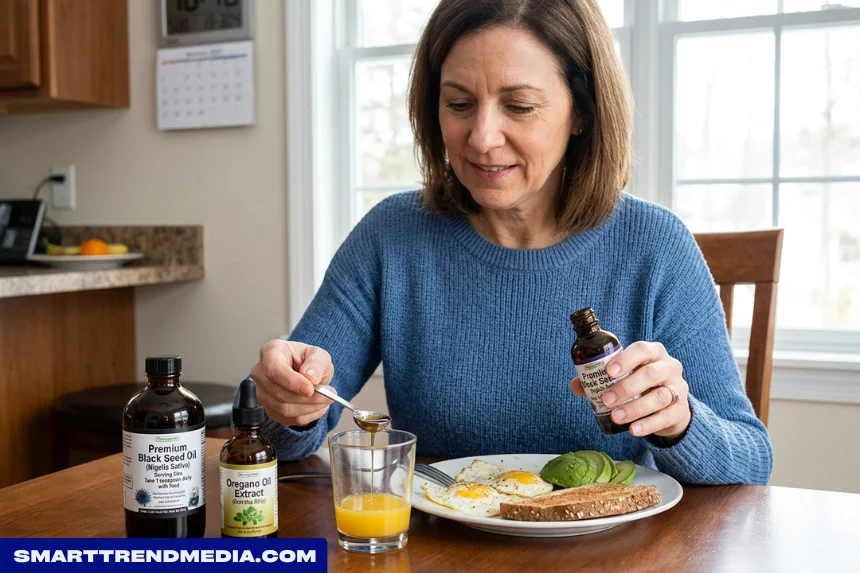
Because oregano supplements may cause heartburn or nausea, some people may tolerate them better with food. Still, no universal clinical rule establishes the best timing. The product label and advice from a qualified professional should take priority.
Do not place concentrated oil under the tongue
Holding concentrated oregano essential oil against the mouth’s delicate tissues may cause burning or irritation. Therefore, readers should not use a product sublingually unless its manufacturer specifically formulated and labeled it for that route.
Never use more to speed up results
A larger dose does not guarantee a stronger benefit. Instead, it may increase the risk of:
- Heartburn
- Nausea
- Vomiting
- Diarrhea
- Headache
- Dizziness
- Allergic reactions
Oregano-oil side effects appear more likely at higher supplemental amounts.
Do not use the oils to delay medical care
Oregano oil and black seed oil should not replace professional evaluation for:
- A suspected bacterial infection
- A fungal infection
- A urinary tract infection
- Pneumonia
- Severe sinus symptoms
- Persistent fever
- An infected wound
- Uncontrolled asthma
- Diabetes
- High blood pressure
Is It Safe to Take Oil of Oregano and Black Seed Oil Every Day?
Researchers have not established that the combination is safe for indefinite daily use.
Many human black-seed studies have lasted several weeks or months. Reviews generally describe the reported side effects as mild in the studied settings. However, the trials used different preparations and did not establish one universal long-term regimen.
Meanwhile, long-term human safety data for concentrated oregano-oil supplements remain limited. An animal study evaluated oral oregano essential oil for 90 days, but animal toxicity findings cannot prove long-term safety in people.
Therefore, daily use should depend on:
- The exact product
- Label directions
- The reason for taking it
- Other medications
- Side effects
- Medical history
- Advice from a healthcare professional
Some commercial sources recommend taking oregano oil for a set number of days and then taking a break. However, researchers have not established a universal cycling schedule for the combination.
A person should reassess continued use when:
- The original reason for taking it no longer applies
- No clear benefit appears
- Digestive irritation develops
- A new medication begins
- Surgery is scheduled
- Pregnancy occurs
- Blood sugar or blood pressure becomes unusually low
- A clinician advises stopping it
Overall, short-term, label-directed use may be reasonable for some healthy adults. Nevertheless, the absence of immediate side effects does not prove that indefinite daily use is necessary or risk-free.
Possible Side Effects of Oil of Oregano and Black Seed Oil
Oil of oregano and black seed oil may cause side effects, even when the label describes them as natural products. The risk depends on the formulation, concentration, serving size, length of use, and the person’s health.
Oregano oil usually causes digestive symptoms when side effects occur. According to the National Library of Medicine’s LiverTox resource, higher supplemental amounts may cause abdominal discomfort, heartburn, nausea, vomiting, constipation, diarrhea, dizziness, and headache. Hypersensitivity reactions are uncommon but possible.
Black seed oil may also cause stomach discomfort. In addition, topical use has caused contact dermatitis and rare severe skin reactions in published reports. Memorial Sloan Kettering notes that high doses caused liver damage in some experimental studies, although adequate human data remain lacking.
Side Effects at a Glance
| Possible side effect | Ingredient more commonly associated with it | Recommended response |
|---|---|---|
| Heartburn or a burning sensation | Oil of oregano | Stop use and check whether the product is too concentrated |
| Nausea or stomach discomfort | Either ingredient | Discontinue use if symptoms persist |
| Diarrhea or constipation | Oil of oregano | Stop taking the product and maintain hydration |
| Headache or dizziness | Oil of oregano or an interaction | Avoid another dose until the cause is reviewed |
| Rash, itching, or skin redness | Either ingredient | Wash off topical products and discontinue use |
| Weakness, shaking, or sweating | Possible low blood sugar | Check glucose when appropriate and seek medical advice |
| Lightheadedness | Possible low blood pressure | Sit down, avoid another dose, and check blood pressure |
| Unusual bruising or bleeding | Possible medication interaction | Contact a healthcare professional promptly |
| Facial swelling or breathing trouble | Severe allergic reaction | Seek emergency medical care |
A mild herbal taste is not an allergic reaction. However, swelling, hives, wheezing, or trouble breathing requires urgent care.
Who Should Avoid Oil of Oregano With Black Seed Oil?
This combination is not suitable for everyone. Some people should avoid it, while others need medical approval before use.
Pregnant people
Pregnant people should avoid medicinal amounts of oregano oil. LiverTox describes supplemental oregano as potentially capable of stimulating pregnancy loss and advises against its use during pregnancy. Culinary oregano used in normal food amounts is different from a concentrated supplement.
Safety information for concentrated black seed oil during pregnancy also remains incomplete. Therefore, pregnancy is not an appropriate time to experiment with this combination without direct medical guidance.
People who are breastfeeding
Reliable information about concentrated oregano and black seed supplements during breastfeeding remains limited. As a result, a breastfeeding parent should speak with a healthcare professional before using either oil medicinally.
Normal culinary use does not create the same exposure as capsules, concentrated liquids, or essential oils.
Children
Parents should not give concentrated oregano essential oil or combination supplements to children without advice from a pediatric healthcare professional.
A 2025 review of pediatric black-seed studies found that researchers still need better evidence to establish effective forms, doses, and long-term safety.
Children may also react more strongly to concentrated oils. Moreover, adult label instructions do not provide a safe pediatric dose.
People with plant allergies
Someone with an oregano allergy should avoid oregano supplements. Oregano belongs to the mint family, which also includes basil, mint, sage, marjoram, thyme, rosemary, and lavender.
An allergy to one related plant does not guarantee a reaction to every other plant. Still, a person with a history of serious herb or essential-oil reactions should seek professional advice first.
People preparing for surgery
Anyone preparing for surgery should tell the surgical team about all supplements. Black seed may affect glucose, blood-pressure measurements, drug metabolism, or warfarin activity. Therefore, the healthcare team may advise stopping it before a procedure.
People should follow the surgeon’s instructions rather than using a standard online stopping schedule.
People with low blood sugar or low blood pressure
Black seed has produced changes in blood sugar and blood-pressure measurements in clinical research. Therefore, regular use may not suit someone who already experiences hypoglycemia or low blood pressure.
Symptoms that need attention include:
- Shaking
- Sweating
- Weakness
- Confusion
- Faintness
- Blurred vision
- Unusual fatigue
People taking several medications
Black seed can affect enzymes involved in processing some medicines. In addition, combining several herbs makes it harder to identify the cause of a side effect.
A doctor or pharmacist should review the full Supplement Facts panel, not just the product name.
People receiving cancer treatment
Someone receiving chemotherapy, radiation therapy, immunotherapy, or another cancer treatment should speak with the oncology team before using herbal oils. Supplements may affect treatment, laboratory results, or medication metabolism.
The possible interaction depends on the exact treatment. Therefore, general internet advice cannot replace an oncology pharmacist’s assessment.
Medication Interactions
Oil of oregano and black seed oil may interact with medicines through different pathways. However, direct clinical interaction research on the exact combination remains limited.
Memorial Sloan Kettering reports that Nigella sativa can inhibit CYP2D6 and CYP3A4. These enzymes help the body process many medications. The clinical importance of this effect remains uncertain, but it creates a valid reason for caution.
The same source also notes a possible interaction between thymoquinone and warfarin. Researchers have not yet established the full clinical significance. Nevertheless, people taking warfarin should not add black seed oil without professional approval.
Interaction Table
| Medication or product type | Why caution is necessary |
|---|---|
| Insulin and diabetes medicines | Black seed may contribute to lower blood sugar |
| Blood-pressure medicines | Black seed may add to blood-pressure-lowering effects |
| Warfarin | Thymoquinone may affect warfarin activity |
| Other anticoagulants | Direct evidence is limited, but overlapping effects may raise concern |
| Antiplatelet medicines | A clinician should assess possible bleeding risks |
| CYP2D6-metabolized medicines | Black seed may affect the enzyme that processes the drug |
| CYP3A4-metabolized medicines | Drug levels could theoretically change |
| Other glucose-lowering supplements | Combined effects may increase the risk of low blood sugar |
| Multiple herbal products | Overlapping ingredients can increase side effects or interactions |
This table identifies possible concerns rather than confirmed interactions in every user.
A person should not stop a prescribed medicine because of a supplement article. Instead, a doctor or pharmacist can decide whether monitoring, dose adjustment, or avoiding the supplement makes sense.
How to Choose a Quality Supplement
Supplement quality matters because products may contain different plant species, extraction methods, concentrations, and added ingredients.
FDA does not approve dietary supplements for safety and effectiveness before they enter the market. Manufacturers and distributors hold the initial responsibility for product safety and labeling. FDA also does not routinely test every supplement before consumers buy it.
Therefore, buyers should examine the label carefully.
Look for the botanical names
A transparent label should identify:
- Origanum vulgare or the specific oregano species
- Nigella sativa as the black-seed source
“Herbal oil blend” provides less useful information than a complete botanical name.
Check the amount of each ingredient
The Supplement Facts panel should state how much oregano and black seed the serving provides.
Avoid assuming that a proprietary blend contains meaningful amounts of both ingredients. A proprietary blend may state only the combined weight rather than the amount of each component.
Review active-compound information
Some oregano products state a carvacrol concentration. Meanwhile, some black-seed products identify thymoquinone content.
A higher percentage does not automatically mean a better product. Greater concentration may also increase irritation or interaction risks.
Examine the other ingredients
FDA requires ingredients outside the Supplement Facts panel to appear in an “Other Ingredients” list. These may include carrier oils, capsule materials, flavorings, colors, and additives.
Common carrier oils may include:
- Olive oil
- Sunflower oil
- Coconut-derived oil
- Black seed oil itself
People with food allergies should review this list before use.
Look for independent quality verification
Recognized independent programs can assess whether a product meets certain identity, purity, strength, label, or contaminant standards.
For example, USP awards its Verified Mark to products that meet its testing and auditing requirements. NSF certification also evaluates label claims and screens supplements for unacceptable contaminant levels. However, these certifications confirm quality standards rather than proving that a supplement provides a health benefit.
Avoid products that promise to cure disease
A supplement marketed as curing diabetes, infections, cancer, high blood pressure, or another disease raises a serious concern.
FDA states that a product sold as a dietary supplement cannot legally claim to treat, prevent, or cure a specific disease without meeting drug requirements.
Check the expiration date and storage instructions
Oils can deteriorate after exposure to heat, light, oxygen, or moisture. Therefore, buyers should follow the manufacturer’s storage instructions.
A leaking bottle, damaged seal, unusual odor, or unclear label is a good reason not to use the product.
When to Speak With a Healthcare Professional
Professional guidance is particularly important when a person:
- Takes prescription medication
- Uses insulin or another diabetes treatment
- Takes blood-pressure medication
- Uses warfarin or another blood thinner
- Has low blood sugar
- Has low blood pressure
- Is pregnant or breastfeeding
- Plans to give the product to a child
- Has an upcoming operation
- Receives cancer treatment
- Has liver or kidney disease
- Plans to use the product every day
- Develops recurring side effects
FDA advises consumers to discuss supplement use with a doctor, pharmacist, or another healthcare professional because supplements can carry health risks and interact with treatment.
Bring the actual bottle or a clear photograph of the label to the appointment. The brand name alone may not reveal the concentration or complete ingredient list.
Frequently Asked Questions
What are the main benefits of oil of oregano with black seed oil?
The proposed benefits include antioxidant activity and support for a balanced inflammatory response. Black seed may also produce modest changes in blood sugar, cholesterol, and blood-pressure measurements in some people.
However, those metabolic findings come mainly from studies of Nigella sativa, not the combined supplement. Researchers have not confirmed that adding oregano oil improves the results.
Can you take oregano oil and black seed oil together?
Some supplements combine the two ingredients, and some healthy adults may tolerate a properly formulated product.
Still, safety depends on the concentration, serving size, medication use, allergies, pregnancy status, and existing health conditions. Anyone taking prescription medicine should ask a doctor or pharmacist to review the exact label before regular use.
Does oil of oregano with black seed oil boost immunity?
The ingredients contain compounds that influence immune and inflammatory processes in experimental research. However, researchers have not proven that the combination prevents colds, flu, or other infections.
A supplement should not replace vaccination, sleep, a balanced diet, prescribed treatment, or medical evaluation.
Can oregano oil and black seed oil treat an infection?
No reliable clinical evidence establishes the combination as a treatment for bacterial, fungal, viral, or parasitic infections.
Laboratory antimicrobial activity does not prove that an oral supplement can reach an infected tissue at a safe and effective concentration. Therefore, people should not use the oils instead of antibiotics, antifungal medicines, testing, or professional care.
Is the combination good for gut health?
The oils may affect microbes and inflammatory pathways. Nevertheless, human evidence for broad gut-health claims remains limited.
The combination has not been proven to repair a “leaky gut,” eliminate harmful bacteria, treat small intestinal bacterial overgrowth, or cure parasites. In addition, oregano oil may worsen heartburn, nausea, or diarrhea in some users.
Can oil of oregano with black seed oil reduce inflammation?
Black seed has affected some inflammatory markers in clinical trials. Carvacrol has also shown anti-inflammatory activity in experimental studies.
However, the combination is not an established treatment for arthritis, inflammatory bowel disease, asthma, or another inflammatory illness. People with these conditions should continue evidence-based medical care.
What is the best time to take oregano oil and black seed oil?
Research has not established one best time.
Some people may tolerate an oral supplement better with food. However, the product label should take priority. People taking medicines should also ask whether the supplement needs to be separated from their medication.
Should you take the supplement with food?
Taking it with food may reduce heartburn or nausea for some people. Still, this does not apply to every formulation.
Follow the manufacturer’s directions. Stop using the supplement when it repeatedly causes burning, nausea, vomiting, or diarrhea.
Can you take oregano oil and black seed oil every day?
Researchers have not established the long-term safety of indefinite daily use of the combination.
A healthy adult may tolerate short-term, label-directed use. However, daily use deserves more caution when the person takes medications, manages a chronic condition, or plans to continue for months.
How long can you take the combination?
No universal duration applies to every product.
Clinical studies have used different formulations and treatment periods. Therefore, online schedules such as “10 days on and five days off” should not be presented as scientifically established instructions.
Can oregano oil and black seed oil lower blood sugar?
Black seed supplementation has produced modest improvements in some blood-sugar measurements. However, the effect varies, and the combination has not been proven to treat diabetes.
People taking insulin or glucose-lowering medication could face a greater risk of low blood sugar. They should seek professional guidance before use.
Can the combination lower blood pressure?
Black seed has modestly affected blood-pressure measurements in some clinical studies. Oregano oil does not have equally strong human evidence for this purpose.
People who take blood-pressure medicine or already have low blood pressure should use caution.
Is black seed oil the same as black cumin seed oil?
The terms commonly refer to oil made from Nigella sativa seeds.
However, consumers should still verify the botanical name because “cumin” can refer to other plants. Nigella sativa is not the same as the common culinary cumin known as Cuminum cyminum.
Is oregano essential oil safe to swallow?
Not every oregano essential-oil product is suitable for swallowing.
A person should use only a formulation specifically labeled for oral consumption. Products intended for aromatherapy, diffusers, cosmetics, or external use should not be taken by mouth.
Can you apply both oils to the skin?
Black seed oil appears in some topical products, but it can still cause contact dermatitis. Oregano essential oil can cause stronger irritation.
Do not apply undiluted oregano essential oil directly to the skin. In addition, never apply it to broken skin, the eyes, lips, genital area, or another sensitive surface.
The Bottom Line
The potential benefits of oil of oregano with black seed oil come from active plant compounds such as carvacrol, thymol, and thymoquinone. Together, they may provide antioxidant activity and support a balanced inflammatory response.
However, researchers have mainly studied the ingredients separately. Black seed has more human research, particularly for blood sugar, cholesterol, blood pressure, and selected inflammatory markers. In contrast, oregano oil’s strongest evidence involves antimicrobial and antioxidant activity in laboratory settings.
Most importantly, researchers have not established that combining the oils creates stronger clinical benefits. They have also not identified a universal dose, ideal ratio, or long-term daily schedule.
The combination may cause heartburn, nausea, diarrhea, dizziness, skin reactions, or medication interactions. Pregnant people should avoid medicinal oregano oil. Meanwhile, people taking diabetes medicine, blood-pressure medicine, warfarin, or drugs processed through CYP2D6 or CYP3A4 should seek professional advice.
Choose a product intended for oral use, review the complete label, and avoid exaggerated disease-treatment claims. Finally, use the supplement as an optional wellness product rather than a substitute for diagnosis or medical treatment.
Medical Disclaimer
This article provides general educational information and does not replace personalized medical advice. Consult a qualified healthcare professional before using oil of oregano, black seed oil, or another dietary supplement, especially during pregnancy, breastfeeding, childhood, chronic illness, surgery preparation, or prescription-medication use.
READ MORE : www.smarttrendmedia.com