

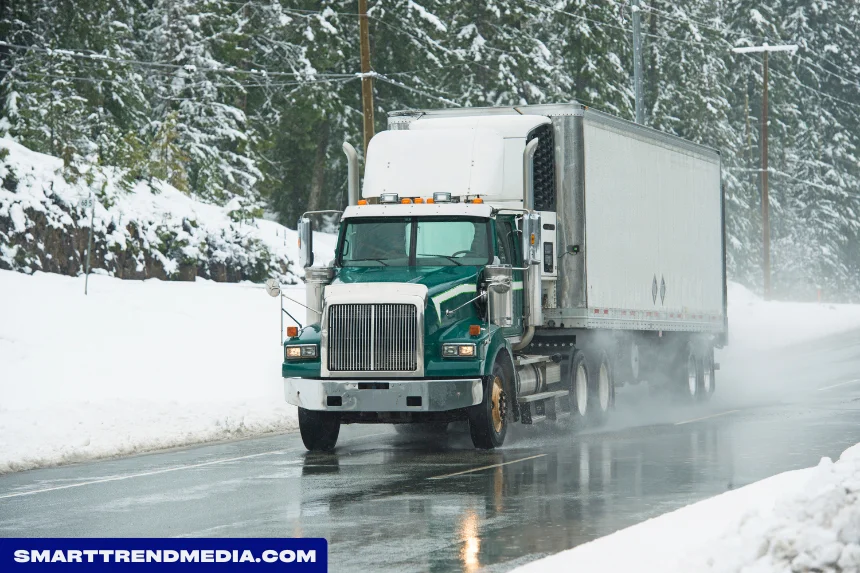
Many people wonder how much do ice road truckers make because the job has earned a reputation for offering some of the highest pay in the trucking industry. Television shows, news stories, and online discussions often highlight experienced drivers earning substantial amounts during a short winter season. However, those earnings come with significant responsibilities, demanding working conditions, and serious safety risks.
Unlike traditional long-haul trucking, ice road trucking involves transporting heavy loads across frozen lakes, rivers, and remote winter roads. Drivers operate in extreme weather, where temperatures can fall well below freezing and road conditions change rapidly. Consequently, employers often offer higher wages, seasonal bonuses, and hazard pay to attract qualified professionals.
Although the earning potential is attractive, salaries vary considerably. Experience, employer, location, certifications, route difficulty, and contract terms all influence how much an individual driver can earn. Therefore, understanding the full compensation structure is essential before considering this career.
This guide explains how much do ice road truckers make, including average salaries, seasonal earnings, hourly rates, qualifications, working conditions, career outlook, and whether the higher income justifies the risks.
How Much Do Ice Road Truckers Make?
Experienced ice road truckers often earn significantly more than many standard commercial truck drivers because they work in hazardous environments during a limited winter season.
Although exact earnings differ, most drivers receive compensation through one or more of the following methods:
- Hourly pay
- Mileage pay
- Daily rates
- Seasonal contracts
- Performance bonuses
- Hazard pay
- Overtime compensation
Some experienced drivers working demanding seasonal contracts can earn substantial income during a relatively short operating season. However, those earnings should not automatically be interpreted as a full annual salary because ice road work is typically seasonal rather than year-round.
The actual amount depends on:
- Driving experience
- Employer
- Route difficulty
- CDL endorsements
- Weather conditions
- Type of cargo
- Geographic location
- Length of the contract
As a result, two drivers working different contracts may earn noticeably different amounts even within the same season.
Ice Road Trucker Salary Overview
The answer to how much do ice road truckers make is not a single number because compensation varies across employers and regions.
Generally, experienced drivers working seasonal ice road contracts earn higher rates than many traditional freight drivers due to:
- Hazardous road conditions.
- Remote operating environments.
- Limited seasonal availability.
- Specialized driving skills.
- Heavy-haul responsibilities.
- Increased insurance and safety requirements.
Additionally, employers frequently compete for experienced commercial drivers who have demonstrated safe winter driving records.
This combination of seasonal demand and specialized skills contributes to above-average earning potential.
Quick Salary Facts
| Salary Factor | Overview |
|---|---|
| Job Type | Seasonal commercial trucking |
| Typical Pay Structure | Hourly, mileage, daily rate, or seasonal contract |
| Highest Earnings | Experienced drivers on demanding routes |
| Additional Compensation | Overtime, bonuses, and hazard pay may apply |
| Key Salary Factors | Experience, location, employer, certifications, cargo, and weather conditions |
| Employment Pattern | Primarily seasonal |
Average Ice Road Trucker Salary
When researching how much do ice road truckers make, readers often encounter different salary figures online. These differences occur because sources measure earnings in different ways.
For example, some report:
- Annual salary estimates.
- Seasonal contract earnings.
- Weekly income.
- Hourly wages.
- Per-mile compensation.
Others include bonuses and overtime, while some report only base pay.
Consequently, salary comparisons should always be viewed within the context of the specific contract being discussed.
Average Annual Earnings
Drivers who regularly secure seasonal ice road contracts may earn considerably higher annual income than many entry-level truck drivers.
However, annual earnings depend on several factors:
- Number of seasonal contracts completed.
- Additional driving work outside the winter season.
- Employer compensation structure.
- Experience level.
- Availability of overtime.
Many professional drivers combine ice road contracts with other commercial driving jobs throughout the remainder of the year.
Seasonal Earnings
Because the ice road season typically lasts only a few months, many employers offer higher short-term compensation.
Instead of spreading earnings evenly across twelve months, companies often concentrate wages during the active winter season.
This explains why seasonal earnings sometimes appear exceptionally high when compared with standard trucking jobs.
Nevertheless, readers should remember that seasonal income does not necessarily represent year-round employment.
Why Ice Road Truckers Earn Higher Pay
Several factors contribute to the higher wages associated with ice road trucking.
Extreme Weather
Drivers regularly operate in severe winter conditions that include snow, ice, high winds, and extremely low temperatures.
These environments require advanced driving skills and careful decision-making.
Remote Locations
Ice road routes often pass through isolated areas with limited access to emergency services, repair facilities, and accommodations.
Working in these locations increases operational difficulty.
Specialized Skills
Most employers expect applicants to have significant commercial driving experience before assigning ice road routes.
Safe winter driving, heavy-haul transportation, and defensive driving techniques all contribute to higher compensation.
Seasonal Demand
The ice road season is relatively short.
Because employers have limited time to transport essential supplies, experienced drivers become especially valuable during peak operating periods.
Safety Responsibilities
Drivers transport expensive equipment, fuel, construction materials, and essential supplies across temporary winter roads.
Protecting both cargo and equipment requires exceptional attention to safety procedures.
What Determines Ice Road Trucker Pay?
The answer to how much do ice road truckers make depends on several variables rather than one standard salary.
Experience
Experienced drivers generally qualify for better-paying contracts because employers prefer individuals with proven winter driving records.
Employer
Compensation packages vary between trucking companies.
Some employers provide higher hourly wages, while others emphasize bonuses or seasonal incentives.
Geographic Location
Routes located in particularly remote regions or areas with more demanding conditions may offer higher compensation.
CDL Endorsements
Additional endorsements, such as HazMat or tanker certifications when required for specific cargo, can improve employment opportunities and earning potential.
Route Difficulty
More technically demanding routes often provide higher pay because they involve increased responsibility and greater operational challenges.
Safety Record
Drivers with clean safety histories are frequently more competitive when applying for premium seasonal contracts.
Maintaining an excellent driving record remains one of the most effective ways to increase long-term earning potential.
In the next section, we’ll explore seasonal earnings in greater detail, compare hourly and per-mile pay, explain bonuses and hazard pay, review CDL requirements, discuss daily responsibilities, examine working conditions, and evaluate whether ice road trucking is worth the risks for today’s commercial drivers.
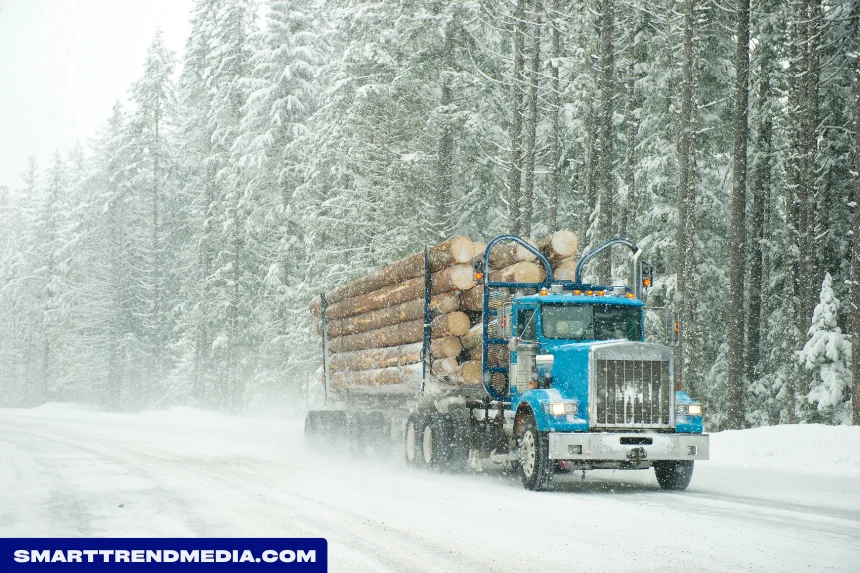
How Much Do Ice Road Truckers Make During the Ice Road Season?
One of the biggest reasons people search how much do ice road truckers make is because they hear stories of drivers earning impressive amounts during a single winter season.
Although those stories are sometimes accurate, they do not tell the whole story.
Ice road trucking is typically seasonal, with contracts lasting only a few weeks or months depending on weather conditions, employer needs, and the operating region. Consequently, drivers often work long hours during a relatively short period to maximize earnings before the roads become unsafe.
For many experienced drivers, the concentrated workload creates an opportunity to earn substantial seasonal income. However, because employment is temporary, many also work in other trucking roles during the remainder of the year.
How Much Do Ice Road Truckers Make Per Hour?
Hourly pay depends on several factors, including experience, route complexity, cargo type, and employer policies.
Generally, drivers handling more demanding routes or specialized freight receive higher hourly compensation than those working less challenging assignments.
Hourly earnings may also increase through:
- Overtime.
- Night shifts.
- Holiday work.
- Hazard pay.
- Performance incentives.
Rather than focusing on a single hourly rate, prospective drivers should review the complete compensation package before accepting a seasonal contract.
Are Ice Road Truckers Paid by the Mile?
Some employers compensate drivers based on mileage, while others use hourly wages, daily rates, or seasonal contracts.
Mileage-based compensation may depend on:
- Total distance driven.
- Cargo type.
- Road conditions.
- Delivery schedules.
- Contract structure.
Because winter driving conditions often reduce travel speed, many employers combine mileage pay with other compensation methods to reflect the unique challenges of ice road transportation.
Bonuses and Hazard Pay
Higher earnings in ice road trucking frequently come from bonuses rather than base wages alone.
Common examples include:
Completion Bonuses
Some employers reward drivers who successfully complete the entire seasonal contract.
Safety Bonuses
Drivers who maintain excellent safety records may qualify for additional compensation.
Hazard Pay
Since ice road trucking involves increased operational risks, employers often offer hazard pay to recognize the challenging working conditions.
Overtime Pay
Long shifts are common during the operating season.
Consequently, overtime can significantly increase total seasonal earnings.
Qualifications Required for Ice Road Trucking
High pay usually comes with high expectations.
Most employers prefer experienced commercial drivers rather than individuals who recently obtained a Commercial Driver’s License (CDL).
Typical qualifications include:
- Valid Commercial Driver’s License (CDL).
- Several years of commercial driving experience.
- Clean driving record.
- Medical certification.
- Strong winter driving skills.
- Ability to work in remote locations.
Depending on the employer and cargo, additional endorsements such as Hazardous Materials (HazMat) or tanker endorsements may also be required.
Meeting these qualifications improves employment opportunities while demonstrating the skills necessary for safe operation.
Daily Responsibilities of an Ice Road Trucker
Understanding how much do ice road truckers make also requires understanding the responsibilities that accompany the higher pay.
A typical workday may include:
- Inspecting the truck before departure.
- Monitoring road and weather conditions.
- Transporting cargo across frozen routes.
- Communicating with dispatch.
- Following strict safety procedures.
- Managing delivery schedules.
- Completing inspection reports.
Every task demands careful attention because changing weather conditions can affect road safety throughout the day.
Working Conditions
Ice road trucking is widely recognized as one of the most demanding specialties in commercial transportation.
Drivers frequently encounter:
- Extremely cold temperatures.
- Snowstorms.
- Limited daylight.
- Remote highways.
- Temporary ice roads.
- Long driving hours.
- Minimal roadside services.
These conditions require physical endurance, mental focus, and consistent adherence to safety protocols.
For many drivers, the work is rewarding. Nevertheless, it is not suitable for everyone.
Pros of Becoming an Ice Road Trucker
The profession offers several advantages for experienced commercial drivers.
Higher Seasonal Earnings
Specialized contracts often provide greater earning potential than many standard trucking positions.
Valuable Experience
Operating in challenging environments strengthens winter driving and heavy-haul skills.
Career Opportunities
Successful seasonal experience may improve eligibility for premium commercial driving positions in other sectors.
Adventure
Many drivers appreciate the opportunity to work in remote regions while transporting essential supplies to isolated communities and industrial sites.
Cons of Becoming an Ice Road Trucker
Despite the attractive pay, several challenges deserve careful consideration.
Seasonal Employment
Most contracts last only during the winter season.
Drivers often need additional employment during the rest of the year.
Hazardous Conditions
Changing ice thickness, severe weather, and remote operating environments increase overall job difficulty.
Long Hours
Extended shifts are common during peak operating periods.
Maintaining concentration throughout long workdays can be physically demanding.
Time Away From Home
Seasonal assignments frequently require drivers to spend extended periods away from family.
Is Ice Road Trucking Worth It?
Whether ice road trucking is worthwhile depends largely on a driver’s experience, career goals, and tolerance for demanding working conditions.
For experienced CDL holders who enjoy winter driving, remote operations, and challenging assignments, the profession can provide excellent short-term earning opportunities.
However, higher compensation reflects the specialized skills, seasonal nature of the work, and increased safety responsibilities rather than simply paying more for the same type of driving.
Prospective drivers should evaluate both the financial rewards and the lifestyle demands before pursuing this career path.
Career Outlook for Ice Road Truckers
Demand for experienced commercial drivers remains strong across many sectors of the transportation industry.
Although the ice road season is relatively short, specialized drivers continue to play an essential role in delivering fuel, construction materials, mining equipment, food, and other critical supplies to remote regions that become accessible only during winter.
Future employment opportunities are likely to depend on:
- Seasonal weather conditions.
- Infrastructure projects.
- Mining and energy operations.
- Transportation demand.
- Employer hiring needs.
- Driver experience and safety records.
Drivers who continue developing their commercial driving skills, maintain clean safety histories, and obtain additional endorsements often improve their competitiveness for specialized seasonal contracts.
In the final section, we’ll answer the most frequently asked questions about how much do ice road truckers make, summarize the career’s earning potential, and complete the article with a comprehensive Yoast SEO optimization checklist.
Frequently Asked Questions
How much do ice road truckers make?
The answer depends on several factors, including experience, employer, location, route difficulty, certifications, and the type of contract. Many experienced drivers earn higher-than-average trucking wages because ice road trucking is seasonal and involves hazardous working conditions. Compensation may include hourly pay, mileage pay, overtime, hazard pay, and completion bonuses.
Why do ice road truckers earn more than regular truck drivers?
Ice road truckers typically receive higher compensation because they operate in extreme winter environments, transport valuable cargo across frozen roads, and accept greater safety risks. In addition, the short operating season increases demand for experienced commercial drivers, allowing employers to offer more competitive pay.
How long is the ice road trucking season?
The season generally lasts only a few months during winter. However, the exact duration varies depending on weather conditions, ice thickness, regional climate, and employer operations. Some seasons may be shorter or longer than expected if conditions change.
Do beginners qualify for ice road trucking jobs?
Most employers prefer drivers with several years of commercial driving experience before assigning them to ice road routes. A strong safety record, winter driving experience, and specialized endorsements often improve hiring opportunities.
What qualifications do ice road truckers need?
Although requirements vary by employer, most drivers need:
- A valid Commercial Driver’s License (CDL)
- A clean driving record
- Medical certification
- Previous commercial driving experience
- Winter driving skills
Depending on the job, employers may also require endorsements such as Hazardous Materials (HazMat) or tanker certification.
Is ice road trucking dangerous?
Yes. Ice road trucking is widely considered one of the most demanding types of commercial driving because operators face frozen roads, severe weather, remote locations, and rapidly changing conditions. For that reason, employers emphasize safety training, route planning, and strict operating procedures.
Is ice road trucking worth it?
For experienced drivers who enjoy challenging work and seasonal contracts, ice road trucking can provide excellent earning opportunities. Nevertheless, higher pay reflects the demanding conditions, physical endurance, and professional skills required to perform the job safely.
What factors have the biggest impact on salary?
Several variables influence earnings, including:
- Driving experience
- Employer
- Contract length
- Geographic location
- Route difficulty
- CDL endorsements
- Safety record
- Overtime availability
- Hazard pay
- Seasonal demand
Understanding these factors provides a more realistic picture than focusing on a single salary figure.
Conclusion
Understanding how much do ice road truckers make requires looking beyond a single salary number. While experienced drivers can earn significantly more than many traditional truck drivers during the winter season, compensation varies according to experience, employer, location, contract type, certifications, and the difficulty of the assigned routes.
Higher earnings also reflect the unique demands of the profession. Ice road truckers operate in some of the most challenging driving conditions, often transporting essential supplies across frozen roads in remote regions where safety, preparation, and professional judgment are critical.
For qualified CDL holders seeking seasonal opportunities, ice road trucking can be a rewarding career path. However, success depends on more than earning potential alone. Drivers should carefully evaluate the working conditions, licensing requirements, physical demands, and long-term career goals before pursuing this specialized role.
By understanding both the financial rewards and the responsibilities involved, prospective drivers can make a more informed decision about whether ice road trucking is the right fit for their experience and career ambitions.
Read about How to Classify Digital Business Manager in Commerce Taxonomy