

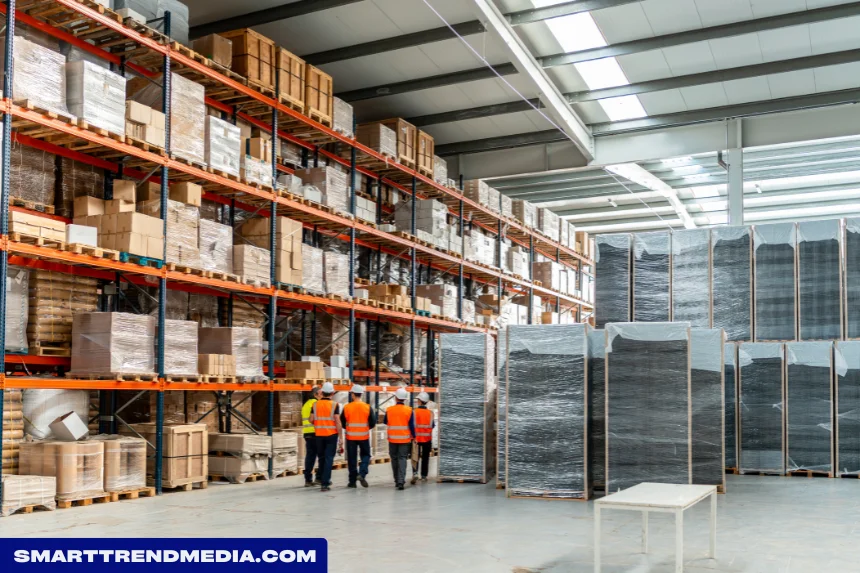
If you’ve ever reviewed a company’s balance sheet or studied accounting, you may have wondered, is inventory a current asset? The short answer is yes—in most cases, inventory is classified as a current asset because businesses generally expect to sell or use it during their normal operating cycle or within one year, depending on the applicable accounting framework.
Inventory is one of the most important assets for retailers, wholesalers, manufacturers, and many other businesses. It represents products or materials that a company intends to sell or use in producing goods for customers. Consequently, properly classifying inventory helps businesses prepare accurate financial statements, measure working capital, and evaluate short-term liquidity.
Although the general rule is straightforward, there are situations where readers become confused. For example, some people wonder whether inventory should be treated as a fixed asset, while others question how inventory appears on the balance sheet or how accounting methods affect its value.
This guide explains why inventory is generally considered a current asset, explores the different types of inventory, compares current and non-current assets, and discusses inventory valuation methods using practical examples. While the principles discussed here reflect widely accepted accounting concepts, businesses should always follow the accounting standards that apply to their specific reporting framework and circumstances.
Featured Snippet: Is Inventory a Current Asset?
Yes, inventory is generally classified as a current asset because businesses expect to sell it, use it in production, or convert it into cash during their normal operating cycle or within one year, depending on the applicable accounting framework. Inventory typically appears in the current assets section of a company’s balance sheet alongside cash, accounts receivable, and other short-term assets.
The Short Answer: Is Inventory a Current Asset?
In most businesses, the answer is yes.
Inventory qualifies as a current asset because it is expected to generate economic benefits in the near future through sales or production activities.
Unlike buildings, machinery, or long-term investments, inventory is not intended for long-term use. Instead, businesses purchase, manufacture, and sell inventory as part of their regular operations.
For example:
- A clothing retailer expects to sell shirts, shoes, and jackets to customers.
- A grocery store plans to sell food products within a relatively short period.
- A manufacturer uses raw materials to produce finished goods that will eventually be sold.
Because these assets are expected to become cash or be consumed during normal business operations, they generally belong in the current assets section of the balance sheet.
What Is Inventory?
Inventory refers to goods and materials that a business owns for the purpose of selling, manufacturing, or supporting production.
Depending on the type of business, inventory may include products that are ready for customers as well as materials that are still moving through the production process.
For many companies, inventory represents one of the largest assets reported on the balance sheet because it directly supports revenue generation.
Businesses rely on inventory to:
- Meet customer demand.
- Support production.
- Generate sales.
- Maintain efficient operations.
- Improve cash flow.
Without sufficient inventory, many businesses would struggle to fulfill customer orders or maintain normal operations.
Why Is Inventory Generally Classified as a Current Asset?
The primary reason inventory is classified as a current asset is that businesses normally expect to convert it into cash within their operating cycle.
When customers purchase products, inventory leaves the balance sheet and is replaced by cash or accounts receivable. As a result, inventory functions as a short-term economic resource rather than a long-term investment.
Several characteristics support this classification.
Inventory Supports Daily Business Operations
Inventory exists to help businesses generate revenue through ordinary business activities.
Retailers purchase merchandise for resale.
Manufacturers purchase materials to produce finished goods.
Wholesalers maintain inventory to supply retailers and commercial customers.
Because these goods move through normal operations, they generally qualify as current assets.
Inventory Is Expected to Be Sold or Used Soon
Unlike equipment that may remain in service for many years, inventory is expected to leave the business through sales or production within a relatively short period.
Consequently, accountants classify inventory with other short-term assets.
Inventory Helps Generate Cash Flow
Inventory represents future revenue.
Once products are sold, businesses receive cash or create accounts receivable that are later collected.
This continuous conversion from inventory to revenue makes inventory an essential component of working capital management.
Types of Inventory
Although every business handles inventory differently, most inventory falls into one of four major categories.
Understanding these categories helps explain why inventory remains a current asset throughout the production and sales process.
Raw Materials
Raw materials are the basic resources a manufacturer purchases to produce finished products.
Examples include:
- Lumber.
- Steel.
- Fabric.
- Plastic.
- Electronic components.
- Chemicals.
Although these materials have not yet been transformed into finished products, they are still considered inventory because they will be used during normal operations.
Work-in-Process Inventory
Work-in-process (WIP) inventory consists of products that are currently being manufactured but are not yet complete.
These items include:
- Partially assembled products.
- Goods awaiting final inspection.
- Items moving through production.
As production continues, work-in-process inventory eventually becomes finished goods.
Finished Goods
Finished goods are products that have completed the manufacturing process and are ready for sale.
Examples include:
- Furniture.
- Smartphones.
- Appliances.
- Packaged food.
- Clothing.
Because businesses intend to sell these products soon, finished goods are generally classified as current assets.
Merchandise Inventory
Merchandise inventory applies primarily to retailers and wholesalers.
Instead of manufacturing products, these businesses purchase finished goods from suppliers for resale to customers.
Examples include:
- Grocery products.
- Electronics.
- Shoes.
- Books.
- Household items.
These goods typically move quickly through the sales cycle, reinforcing their classification as current assets.
Current Asset vs. Non-Current Asset
Many accounting students confuse inventory with other business assets.
The comparison below highlights the differences.
| Current Assets | Non-Current Assets |
|---|---|
| Inventory | Buildings |
| Cash | Manufacturing equipment |
| Accounts receivable | Vehicles used by the business |
| Short-term investments | Land |
| Prepaid expenses | Long-term investments |
The key distinction is time.
Current assets are generally expected to be converted into cash, sold, or consumed during the company’s normal operating cycle or within one year, depending on the applicable accounting framework.
Non-current assets, by contrast, provide long-term value and typically remain in service for many years.
Understanding this difference makes it much easier to answer the question, “Is inventory a current asset?” In the vast majority of situations, the answer remains yes because inventory is intended to support short-term business operations rather than long-term ownership.
In the next section, we’ll explore where inventory appears on the balance sheet, compare the major inventory valuation methods, explain how inventory affects working capital and liquidity, discuss situations where classification may require additional consideration, and review common inventory accounting mistakes that businesses should avoid.

Where Does Inventory Appear on the Balance Sheet?
After understanding why inventory is generally classified as a current asset, the next question is where it appears in a company’s financial statements.
In most cases, inventory is reported in the current assets section of the balance sheet because the business expects to sell or use it during its normal operating cycle or within one year, depending on the applicable accounting framework.
A simplified balance sheet may look like this:
| Current Assets | Amount |
|---|---|
| Cash | $50,000 |
| Accounts Receivable | $35,000 |
| Inventory | $80,000 |
| Prepaid Expenses | $10,000 |
| Total Current Assets | $175,000 |
This presentation helps investors, lenders, and managers evaluate a company’s short-term financial position and its ability to meet upcoming obligations.
Moreover, inventory often represents one of the largest current assets for retailers, wholesalers, and manufacturers.
Inventory Valuation Methods
Classifying inventory as a current asset is only one part of financial reporting. Businesses must also determine how inventory is valued because inventory valuation directly affects the balance sheet, the cost of goods sold, and reported profit.
The valuation method should follow the accounting framework applicable to the business.
The three most common inventory valuation methods are:
- FIFO (First In, First Out)
- LIFO (Last In, First Out)
- Weighted Average Cost
FIFO (First In, First Out)
Under the FIFO method, the earliest inventory purchased is assumed to be sold first.
As a result, the inventory remaining on the balance sheet generally reflects more recent purchase costs.
FIFO is widely used because it often mirrors the physical flow of inventory, particularly for businesses selling perishable or time-sensitive products.
Examples include:
- Grocery stores
- Pharmacies
- Food manufacturers
- Beverage companies
LIFO (Last In, First Out)
Under the LIFO method, the most recently purchased inventory is assumed to be sold first.
Consequently, older inventory costs remain on the balance sheet for a longer period.
LIFO is permitted under U.S. GAAP but is not permitted under IFRS. Therefore, multinational businesses should ensure they follow the accounting standards that apply to their financial reporting.
Weighted Average Cost
The Weighted Average Cost method calculates an average cost for all similar inventory items available during the accounting period.
Instead of tracking each purchase separately, businesses apply the average cost to units sold and units remaining in inventory.
This method is commonly used when inventory items are difficult to distinguish individually or when purchase prices fluctuate frequently.
Inventory Valuation Comparison
| Method | Key Feature | Common Use |
| FIFO | Oldest inventory sold first | Retailers, food businesses, manufacturers |
| LIFO | Newest inventory sold first | Some U.S. businesses using GAAP |
| Weighted Average Cost | Uses an average unit cost | Businesses with similar or interchangeable inventory |
Each valuation method can influence reported inventory values and profitability. Accordingly, businesses should apply the method that best reflects their operations while complying with the applicable accounting framework.
How Inventory Affects Working Capital
Inventory plays an important role in determining working capital, which measures a company’s short-term financial health.
The standard formula is:
Working Capital = Current Assets − Current Liabilities
Because inventory is generally classified as a current asset, it directly increases total current assets and can improve working capital.
For example:
| Item | Amount |
| Current Assets | $300,000 |
| Current Liabilities | $180,000 |
| Working Capital | $120,000 |
If inventory increases while liabilities remain unchanged, working capital generally increases as well.
However, holding excessive inventory may tie up cash and increase storage costs. Therefore, businesses aim to maintain enough inventory to meet demand without creating unnecessary carrying costs.
Inventory and the Current Ratio
Another important financial measure influenced by inventory is the current ratio, which evaluates a company’s ability to pay short-term obligations.
The formula is:
Current Ratio = Current Assets ÷ Current Liabilities
Because inventory forms part of current assets, it contributes to the current ratio.
For example:
| Item | Amount |
| Current Assets | $240,000 |
| Current Liabilities | $120,000 |
| Current Ratio | 2.0 |
A current ratio above 1 generally indicates that a company has more current assets than current liabilities. Even so, analysts often examine inventory quality in addition to the ratio itself because slow-moving inventory may not convert into cash as quickly as expected.
Can Inventory Ever Be a Non-Current Asset?
In most situations, inventory is a current asset. Nevertheless, certain industries or unusual business circumstances may require additional accounting analysis.
For example, businesses with exceptionally long operating cycles may hold inventory for an extended period before it is sold or completed. Even in these cases, classification depends on the applicable accounting framework and the nature of the operating cycle rather than on a single time-based rule.
Similarly, specialized inventory that cannot reasonably be sold or used within the expected operating cycle may require separate accounting consideration.
These situations are relatively uncommon, which is why inventory is generally presented as a current asset on financial statements.
Common Inventory Accounting Mistakes
Accurate inventory accounting is essential because inventory affects both the balance sheet and the income statement.
The following mistakes are among the most common.
Misclassifying Inventory
Some businesses mistakenly classify inventory as equipment or another long-term asset.
Proper classification improves the accuracy of financial reporting and helps users interpret liquidity correctly.
Using the Wrong Valuation Method
Choosing an inventory valuation method without considering the applicable accounting framework can lead to reporting errors.
Businesses should apply their selected method consistently unless accounting standards permit a change.
Ignoring Obsolete Inventory
Inventory that is damaged, outdated, or unlikely to sell may require a write-down under the applicable accounting standards.
Failing to recognize obsolete inventory can overstate assets and distort financial statements.
Poor Inventory Records
Inaccurate inventory counts can affect:
- Cost of goods sold.
- Gross profit.
- Current assets.
- Working capital.
- Financial ratios.
Regular inventory counts and reconciliation procedures help reduce these risks.
Practical Business Examples
Understanding real-world examples makes inventory classification easier.
Retail Store
A clothing retailer purchases jackets, shoes, and accessories to sell during the upcoming season.
Because the company expects to sell these items in its normal business operations, they are reported as current assets.
Manufacturing Company
A furniture manufacturer owns lumber, hardware, partially assembled tables, and completed dining sets.
Although these items represent different production stages, they are all part of inventory and are generally classified as current assets because they support the company’s operating cycle.
Wholesale Distributor
A wholesale electronics supplier stores laptops, monitors, and accessories before selling them to retail stores.
Since these products are held for resale, they typically appear in the current assets section of the balance sheet.
Why Proper Inventory Classification Matters
Correctly classifying inventory improves the accuracy of financial statements and supports better business decisions.
It helps:
- Measure working capital accurately.
- Evaluate liquidity.
- Calculate financial ratios.
- Support inventory management.
- Improve investor confidence.
- Assist lenders during credit evaluations.
Consequently, understanding the answer to “Is inventory a current asset?” is valuable for business owners, accountants, investors, and students alike.
In the final section, we’ll answer the most frequently asked questions about is inventory a current asset, summarize the key accounting principles discussed throughout this guide, and complete the article with a comprehensive Yoast SEO optimization checklist.
Frequently Asked Questions
Is inventory a current asset?
Yes. In most situations, inventory is a current asset because a business expects to sell it, use it in production, or convert it into cash during its normal operating cycle or within one year, depending on the applicable accounting framework.
As a result, inventory is usually reported in the current assets section of the balance sheet.
Why is inventory classified as a current asset?
Inventory is classified as a current asset because it supports a company’s day-to-day operations and is expected to generate economic benefits in the near future.
For retailers, inventory is sold to customers. For manufacturers, raw materials and work-in-process inventory are converted into finished goods before being sold. Since these activities occur during the normal operating cycle, inventory generally qualifies as a current asset.
Where does inventory appear on the balance sheet?
Inventory normally appears under Current Assets on the balance sheet alongside items such as:
- Cash.
- Accounts receivable.
- Prepaid expenses.
- Short-term investments, where applicable.
This presentation helps users evaluate a company’s liquidity and short-term financial position.
What are the different types of inventory?
Most businesses classify inventory into one or more of the following categories:
- Raw materials.
- Work-in-process inventory.
- Finished goods.
- Merchandise inventory.
The specific categories depend on the nature of the business and its operations.
Can inventory ever be a non-current asset?
In limited situations, additional accounting analysis may be necessary.
For example, businesses with unusually long operating cycles or specialized inventory may need to consider the applicable accounting standards carefully. Even so, inventory is generally reported as a current asset because it is expected to be sold or used in normal business operations.
How is inventory valued?
Businesses commonly value inventory using one of three methods:
- FIFO (First In, First Out).
- LIFO (Last In, First Out) under U.S. GAAP.
- Weighted Average Cost.
The chosen method affects inventory values, cost of goods sold, and reported profits. Accordingly, businesses should apply their selected method consistently and follow the accounting framework that governs their financial reporting.
Does inventory affect working capital?
Yes.
Because inventory is generally classified as a current asset, it directly affects working capital, which is calculated by subtracting current liabilities from current assets.
A change in inventory can influence liquidity, operating efficiency, and short-term financial analysis.
Is inventory included in the current ratio?
Yes.
Inventory is part of current assets and is therefore included when calculating the current ratio.
However, some analysts also review the quick ratio, which excludes inventory because certain inventory items may take longer to convert into cash than other current assets.
Conclusion
If you’re asking “Is inventory a current asset?”, the answer is yes in most cases. Businesses generally classify inventory as a current asset because it is expected to be sold, consumed, or converted into cash during the normal operating cycle or within one year, depending on the applicable accounting framework.
Inventory plays a central role in financial reporting by affecting the balance sheet, working capital, liquidity, and profitability. Whether a company is a retailer, manufacturer, or wholesaler, proper inventory classification helps produce reliable financial statements and supports better business decisions.
In addition to understanding where inventory appears on the balance sheet, businesses should carefully select an appropriate inventory valuation method and apply it consistently. Methods such as FIFO, LIFO (where permitted), and Weighted Average Cost can significantly influence reported financial results.
Although inventory is generally treated as a current asset, businesses should always follow the accounting standards that apply to their reporting framework and consider their specific operating circumstances. When questions involve complex reporting issues, consulting a CPA or another qualified accounting professional is the best way to ensure accurate financial reporting.
Discover about How Long Does an Accident Stay on Your Insurance